
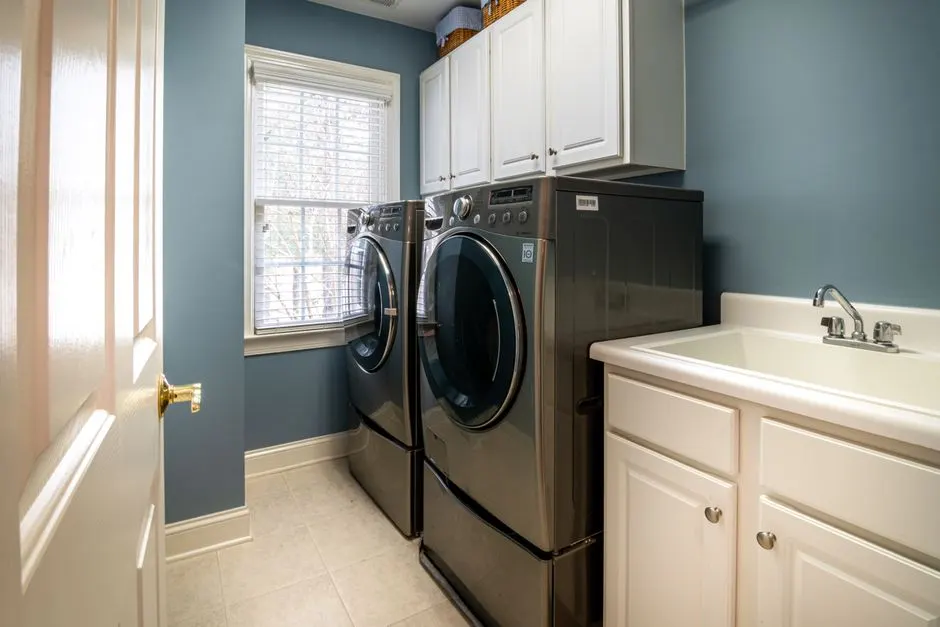
California washer installation rules call for correctly sized and secured water and drain connections, a suitable electrical outlet, and compliance with local building requirements where the work changes plumbing or electrical systems. A drain pan is not automatically required in every home, but location, local rules, and the risk of water damage matter. California washer installation rules is practical guidance that helps homeowners set up a washing machine safely and avoid leaks, drain problems, and preventable damage. We cover the hookups, pan question, setup checks, common mistakes, and when to bring in a professional.
In our work across California, the trouble often starts with one small shortcut: a drain hose pushed too far into a standpipe, a washer left on its shipping bolts, or an old rubber hose reused without inspection. Correcting those details before the first cycle is easier than drying out a laundry room later. Our team also helps homeowners who need Washer Repair in California after a new machine starts leaking, shaking, or refusing to drain.
What are California washer installation rules for homeowners?
California washer installation rules require homeowners to connect the machine according to its manufacturer's instructions and applicable state and local plumbing, electrical, and building requirements. For a straightforward replacement using existing, suitable hookups, the work is usually limited to securing the hoses, drain, and power connection correctly.
California adopts model building and plumbing codes through its building standards process, while cities and counties administer permits and local amendments. Requirements can differ by jurisdiction and by the nature of the work. Replacing a washer is not the same as adding a new laundry location, moving a drain, or installing a new circuit.
Before you start, check the washer's installation manual and contact your local building department if the project involves new or relocated plumbing, electrical work, or a change to the laundry-room layout. This is especially useful in a converted garage or older home where the current drain and outlet may not have been designed for a modern washer.
Our Washer Installation in California service is a fit when you want the machine leveled, connected, and tested as one job rather than guessing through unfamiliar fittings. We inspect the existing supply valves and drain arrangement before running a test cycle.
Which water, drain, and electrical connections does a washer need?
Washer water supply and drain connections need to match the washer manual, fit the home's existing plumbing, and remain secure through vibration and repeated use. A standard U.S. washer commonly uses hot and cold supply lines, a drain hose, and a grounded electrical receptacle, but some models differ.
Turn off both supply valves before connecting the hoses. Check that the hot hose reaches the hot inlet and the cold hose reaches the cold inlet; reversing them can disrupt wash temperatures and program performance. Use new, washer-rated hoses when the old ones are cracked, bulged, corroded, or past the replacement interval recommended by their maker.
Hand-tighten hose fittings, then use a tool only as the manufacturer directs. Over-tightening can damage a washer inlet or fitting. After you reopen the valves, inspect every joint with a dry paper towel so a slow seep shows immediately.
The drain hose must be supported at the height and in the configuration specified by the washer manufacturer. Many household installations use a standpipe, but the required dimensions vary by model and local plumbing rules. Do not seal the hose airtight inside the drain: the drain needs an air gap or approved arrangement to reduce siphoning and overflow risk.
Use the electrical connection specified on the appliance rating label. Do not remove the grounding prong, use a lightweight extension cord, or share an overloaded outlet. If the receptacle is loose, ungrounded, warm, or shows scorch marks, stop and have a qualified electrician correct it before operating the washer.
When the home has a slow standpipe or the washer leaves water in the tub, the problem may involve drainage rather than the new machine. In older Los Angeles properties, narrow laundry spaces and aging plumbing can make access awkward, so our team handles Washer Repair in Los Angeles with attention to the surrounding hookups as well as the appliance.
Does a California washer installation need a drain pan?
A California washer installation does not automatically need a drain pan in every home; whether one is required depends on the installation location, applicable local code, and the property's design. A pan is especially useful when a leak could damage a finished room, a ceiling below, or neighboring units.
Check local requirements before installing a washer on an upper floor or in a condo, apartment, or laundry closet above occupied space. Some jurisdictions, building owners, and insurers impose requirements beyond the appliance maker's basic instructions. If a pan is required, it must be large enough to catch leaks and have an appropriate drain arrangement where the rules call for one.
A pan is not a substitute for sound hoses and a working drain. It can also create a false sense of security if it has no way to discharge water or is blocked by lint and stored items. We look at the floor, the path water would take, and the nearby drain before recommending a pan for a particular setup.
Even without a mandatory pan, you can reduce damage risk by leaving the supply valves accessible, checking hoses periodically, and avoiding storage that hides a slow leak. A leak sensor on the floor near the machine adds an inexpensive alert; follow its maker's placement and battery instructions.
How should you prepare the laundry space and washer?
Prepare the California laundry space by confirming the appliance dimensions, checking floor stability, clearing the route, and following the manual's clearance and leveling instructions. A washer that fits the opening still needs enough room for hoses, door movement, ventilation where specified, and service access.
Measure the machine and the full path from the entry, including turns, doorways, and stairs. A tight closet can trap supply hoses behind the unit or pinch the drain line when you push the washer into place. Leave enough slack for connections without bending hoses sharply.
Remove all shipping bolts and packing materials exactly as directed before running the washer. On a front-loader, shipping bolts left in place can cause severe vibration and damage. Keep the bolts in a labeled bag in case you move the appliance later.
Level the washer using its adjustable feet, then lock the feet if the manual calls for it. Check the machine in both directions with a level and press each corner gently; rocking means it needs adjustment. A stable floor matters too: a washer that bounces on a flexible platform will not become quiet just because the feet are level.
Our setup checklist is short and practical:
- Confirm the machine is rated for the outlet and the laundry location.
- Inspect valves, hose washers, drain support, and the floor before pushing the unit into place.
- Run a short cycle while watching the supply fittings, drain, and floor.
Do not leave the room until the first fill and drain have completed without a drip, hose movement, or overflow. A few minutes of observation can catch a loose connection while the water is still easy to manage.
Common washer installation mistakes to avoid
Common California washer installation mistakes include reusing damaged hoses, skipping shipping-bolt removal, forcing a drain hose into a sealed connection, and ignoring an unstable floor. Each can lead to a leak, noisy spin, drainage fault, or appliance damage during the first loads.
A frequent error is pushing the washer tight against the wall and crushing the drain hose or supply lines. Leave the clearance stated in the manual, then check the hoses again after the unit is in its final position. If a line kinks, reposition the machine instead of forcing the connection.
Another is opening the valves quickly without checking their condition. If a valve handle is seized, the packing leaks, or the outlet drips after closing, do not rely on it as a dependable shutoff. A plumber can repair or replace the valve before the washer is connected.
Watch for these warning signs during the first test:
- Water beads or runs down a supply hose fitting.
- The drain standpipe rises, gurgles, or spills during pumping.
- The cabinet rocks, walks across the floor, or bangs during spin.
- A breaker trips, an outlet smells hot, or the plug feels unusually warm.
Stop the cycle if you see water or smell burning. Turn off the water valves if it is safe to reach them, unplug only if the area is dry, and address the fault before using the machine again.
When to call a professional washer installer
Call a professional in California when installation requires a new water line, relocated drain, electrical changes, a difficult stacked setup, or troubleshooting that continues after basic connection checks. These jobs involve the home's systems as well as the appliance, and mistakes can cause damage behind walls or beneath flooring.
You should also get help if a shutoff valve leaks, the drain repeatedly backs up, the floor cannot support a stable washer, or you cannot verify that the outlet is properly grounded. Local rules and permit needs depend on the exact work and jurisdiction; your building department can confirm what applies before construction begins.
California Washer Repair can connect and test a washer, inspect a leaking hookup, and help identify whether a symptom comes from the appliance or the home's plumbing. If your new machine fills slowly, shakes, or will not drain, we can check the installation and explain the repair plainly.
Frequently Asked Questions
What rules apply to washer installation in California homes?
California homes need washer hookups that follow the appliance manual and applicable state and local plumbing, electrical, and building requirements. A like-for-like replacement using sound existing connections is different from adding a laundry room or moving pipes. Check with your local building department before work that alters plumbing or wiring.
Does a California washer installation need a drain pan?
No single statewide rule makes a drain pan mandatory for every washer installation. Local code, building type, and installation location determine whether one is required. A pan is worth considering above finished space or another residence, but it does not replace sound hoses, a secure drain, or leak checks.
Who can connect a washing machine water supply and drain?
A homeowner can connect a replacement washer to suitable, existing hookups by following the manufacturer's instructions and local requirements. Hire a plumber for new or relocated supply and drain piping, leaking shutoff valves, or recurring backups. Use a qualified electrician for a new circuit or unsafe outlet.
Should a washer installation follow local building requirements?
Yes. California cities and counties administer building requirements and may adopt local amendments, so confirm the rules when your project changes plumbing, wiring, or the laundry location. A simple appliance replacement usually does not involve the same work as constructing a new laundry area, but the manual still governs safe setup.
How long should a first washer test take?
Set aside about 20 to 30 minutes to observe an initial short cycle, while following the washer's instructions. Watch the supply fittings during fill, the standpipe during drain, and the cabinet during spin. Stop immediately if you see a leak, hear severe banging, or notice an electrical warning sign.
Get help with Washer Repair in California
A sound installation protects your floors and helps your washer run as intended. Call California Washer Repair at +18665940052 for help checking a hookup, resolving a leak, or getting your washer back in working order.