
Logo
Get Estimate

Stackable Washer Repair in California

We restore reliable washing without moving your whole laundry setup.


Stackable Washer Repair in California helps homeowners and renters get a compact laundry setup working again without unnecessary disruption. Our team diagnoses washer faults, reaches serviceable components safely, and tests the unit through a complete cycle. For a washer that leaks, will not drain, or stops mid-cycle, California stackable washer repair focuses on the failed part and the installation conditions around it.

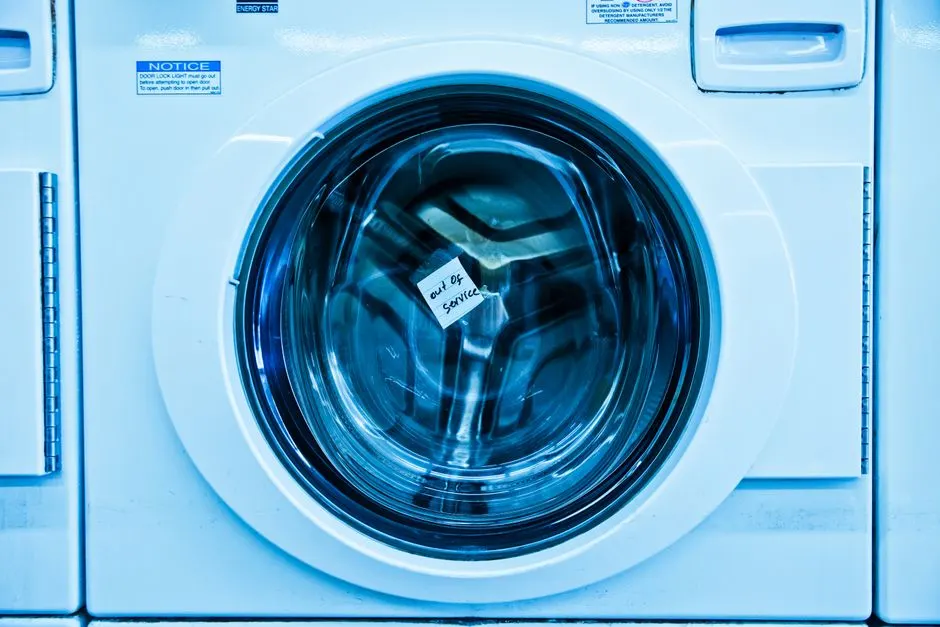
Close-up of an out-of-service washing machine in a laundromat with a blue tint.
Licensed Licensed & Bonded
Fully Insured Insured & Bonded
24/7 Emergency Same-Day Response
Warranty Backed Workmanship Guaranteed

What Stackable Washer Repair Covers

We inspect the washer, its service access, and the connections that affect operation, then test the reported fault and complete an approved repair. Common work includes drainage, filling, spin, leak, and locking problems. Parts and labor are priced according to the diagnosis and the appliance. If the dryer or surrounding plumbing needs separate work, we explain what relates to the washer repair before proceeding.

Washer Fault Diagnosis

We review the symptom and model, inspect the washer, and reproduce the failure when possible. Electrical checks, water-flow observations, and cycle testing help us separate a failed component from a load, hose, or installation issue. You receive a direct explanation of the fault and the repair path.
Drain and Fill Repairs

We inspect the drain hose, pump area, inlet hoses, and water inlet valves when the washer will not empty or fill correctly. After the repair, we check water entry and discharge under operation. We also look for kinks, loose connections, and signs of leakage around the closet.

Leak and Spin Corrections

For water leaking from the washer or a rough spin cycle, we inspect seals, connections, stability, and relevant moving parts. We correct the confirmed cause, then test for seepage and vibration. This work helps protect floors and cabinetry while restoring normal cycle behavior.

Safe Access and Testing

We assess whether the washer can be serviced while the appliances remain stacked and protect nearby surfaces before opening panels. If safe access calls for moving equipment, we plan that handling first. The visit ends with a functional test of the repaired washer and a summary of the work.

Stackable Washer Repair in California


Stackable Washer Repair in California is an appliance repair service that diagnoses and corrects mechanical, electrical, drainage, and water-supply faults in vertically arranged washer-and-dryer sets. We inspect the washer model, access clearances, drain and inlet connections, and the symptoms you report before opening the cabinet. A washer not spinning can point to a lid switch, drive system, or load-balance issue; a washer not draining calls for checks of the drain path and pump. We verify the repair with operating tests rather than relying on a cleared error code alone.

California homes range from coastal apartments with tight closets to inland properties where warm, dry conditions can expose aging hoses and seals. A stacked washer that shakes against cabinetry or leaks into a small utility closet needs prompt attention because a minor drip can damage flooring below. Our California stackable washer repair addresses those conditions, including a California repair for a stackable washer that will not drain. We check detergent residue, hose routing, water flow, and the washer's level so the fix addresses the cause, not just the visible symptom.

What Happens During Your Visit

Stackable washer servicing begins with the symptom and model details, then moves through safe access, testing, repair, and a final cycle check. We keep your laundry area organized, protect the floor, and explain each finding in plain language. Most straightforward repairs take about 1 to 3 hours after diagnosis; complex access or parts needs can extend that timeframe.

01

Schedule

Call or book online — a real human picks up and confirms a 2-hour arrival window.

02

Diagnose

Licensed tech inspects on-site, then walks you through the cause and your options.

03

Fix

The job is completed to code and done right the first time — no shortcuts, no surprises.

04

Guarantee

Every job backed by a written workmanship warranty — and we stand behind it.

Tools and Repair Methods

Tools & Equipment

Multimeter

We use a multimeter to check appropriate electrical supply and component continuity during diagnosis. Readings help distinguish an open circuit or electrical fault from a mechanical problem before a part is recommended.

Clamp meter

A clamp meter measures current draw without disconnecting a conductor when the test setup permits. We use readings as one diagnostic input when a washer's motor or electrical operation matches the reported symptom.

Nut driver set

A nut driver set removes and reinstalls cabinet fasteners and service-panel hardware with controlled fit. Keeping the correct fastener in place matters in a tight stacked installation where access and panel alignment are limited.

Inspection mirror

An inspection mirror helps us see behind hoses, beneath cabinet edges, and around concealed connections without shifting the whole tower. It is useful for locating moisture trails and checking difficult-to-view areas.

Appliance dolly

An appliance dolly supports controlled movement when access requires repositioning equipment. We first assess the stacked setup and handling route, then use suitable support to reduce the chance of striking walls or pulling on utility connections.

Methods & Standards

Symptom-to-cycle testing

We connect each complaint to the washer stage where it occurs: fill, wash, drain, or spin. Reproducing the symptom helps identify whether the cause is electrical, mechanical, water-related, or tied to installation. We verify the correction by repeating the relevant stage after repair.

Model-specific diagnosis

We use the appliance model and available service information to guide access and component checks. A code is a clue, not a final diagnosis. We compare the code with the washer's behavior and test related parts before replacing anything.

Leak-path verification

We inspect likely connections and observe the washer during the stage that produces water. A dry cabinet at rest does not rule out a leak under fill or drain pressure. After correcting the source, we run the relevant test and check again for moisture.

Safe stacked access

We evaluate stability, clearance, fasteners, and utility connections before opening or moving a stacked set. The safest repair route may be an existing access panel or controlled separation. We protect the floor and avoid loading hoses or electrical cords during handling.

When to Call for Service

01

Your compact laundry closet has a puddle after the washer finishes a normal load.

What we do: Stop the cycle and tell us whether the leak appears during filling, washing, or draining. We inspect the hose joints, pump area, and seals, then run the same stage to locate the source. Catching a small leak early helps limit damage to flooring and cabinetry.

→ You get a confirmed source, a targeted repair, and a water test before the washer returns to regular use.

02

The washer stops with wet clothes inside while the dryer remains stacked above it.

What we do: We identify the cycle stage where the washer stops and check its displayed error code alongside the actual operation. The diagnosis may involve draining, door locking, fill, or spin. We assess safe access before touching the tower and avoid separating appliances unless the repair requires it.

→ The washer is tested through the failed stage, and you know whether the issue was a component fault or an operating condition.

03

A spin cycle makes the stacked unit shake against a wall or closet door.

What we do: We inspect leveling, clearance, tower stability, and the washer's behavior under spin. If an internal part is implicated, we test the relevant system before recommending replacement. We also note whether the load distribution or a restricted installation contributes to the movement.

→ You receive a specific correction and a spin test that checks for renewed contact, abnormal noise, and excessive movement.

04

The washer repeatedly displays an error code but resumes after being restarted.

What we do: We record the code and reproduce the condition rather than clearing it and assuming the problem is solved. Electrical and water-related checks narrow the cause, while a test cycle confirms whether the washer now advances normally. Intermittent faults are easier to diagnose when you describe when they occur.

→ You get a diagnosis tied to the observed failure and a repair verified during operation, not a temporary reset.

How Stackable Washer Repair Works Across California

Stackable Washer Repair in California has to fit the property as well as the appliance. Coastal apartments often have narrow closets and limited room to pull a washer forward; inland homes may expose hoses and seals to warmer, drier conditions that make age-related cracking easier to spot. In older buildings, we check accessible connections and follow applicable local plumbing and electrical code requirements when work touches those systems. California appliance efficiency and water-use requirements also matter when installation or replacement is part of the job. Our stacked washing machine service California covers metro apartments, single-family homes, and shared laundry areas, with access planning matched to the building. For a washer that leaks after a hot afternoon or stalls under a heavy load, we test the actual symptom rather than assume climate is the cause. Ask for same-day stacked laundry unit repair California when a failure leaves standing water or interrupts essential laundry; we will confirm the service plan and work through safe access, diagnosis, and cycle verification.

Neighborhoods We Serve

  • Sacramento apartment laundry closets

    Tight closet doors and stacked installations can limit the pull-out route. We check clearances and hose slack before moving the washer, then protect nearby trim during access.

  • Daly City multi-unit buildings

    Shared walls and compact utility spaces make leak control important. We check the washer's drain and inlet connections and keep the work area contained while testing.

  • Indio residential laundry rooms

    Warm, dry conditions can make older flexible connections worth close inspection. We look for brittleness or seepage and confirm the repair under actual fill and drain operation.

  • Palo Alto older and newer homes

    Laundry layouts vary from remodeled closets to dedicated rooms. We assess utility access and cabinetry before opening panels or deciding whether the tower needs to move.

Local Conditions We Plan For

  • Warm inland air can expose aging hose and seal damage.

    We inspect flexible connections and visible seals for cracking, stiffness, and seepage, then test the washer while it fills and drains. Temperature alone does not prove a part has failed, so we confirm the leak source before making a repair.

  • Coastal apartments often provide narrow service clearance.

    Limited space affects how panels open and whether the washer can be moved safely. We plan the access route, protect the floor, and check whether the stacked appliances can remain assembled during diagnosis.

  • Older utility connections can complicate washer access.

    A shutoff, drain standpipe, or outlet may be difficult to reach behind a tower. We inspect accessible connections and follow applicable local plumbing and electrical code requirements when the repair involves those systems.

Drain Fault in a Closet

Before

A stackable washer left water in the drum and stopped before spin. The occupant had restarted the cycle twice, but the water remained. The closet offered little room to pull the unit forward, and the drain hose bent sharply behind the washer.

After

We checked the hose route and pump operation, corrected the confirmed restriction, and ran a drain and spin test. The washer emptied during the test, with no new water beneath the cabinet. The diagnosis and repair took about 2 hours, including safe access and verification.

Maintenance: Keep the area behind the unit clear enough to avoid crushing the drain hose, and use the detergent quantity specified for your model. If water remains after another cycle, stop restarting it and note when the drain sound changes.

Before

A homeowner noticed a small puddle after laundry but found no water when the washer was idle. The leak appeared only during filling, making the connection difficult to identify. The stacked unit stood beside finished cabinetry with limited room for inspection.

After

We observed the fill stage, traced moisture to a loose inlet connection, and corrected the connection before running another fill. The follow-up test showed no seepage. The work took roughly 75 minutes, and the cabinet base remained dry through the verification cycle.

Maintenance: Check the visible floor after the first load following any hose disturbance, and avoid storing items where they conceal the washer's lower edges. A recurring damp spot deserves diagnosis even if the puddle dries between loads.

Before

A washer shook the closet wall during high-speed spin, making the door rattle and leaving the laundry area noisy. The unit had recently been pushed back after cleaning, and its feet were no longer evenly seated on the floor.

After

We checked leveling and clearance, adjusted the washer's position, and ran a spin test with a balanced load. The unit stayed in place through the test without striking the wall. The visit took about 1 hour, including inspection and repeat testing.

Maintenance: Keep the washer level and avoid pushing it back in a way that pinches hoses. Distribute bulky items around the drum rather than loading them in one mass, and call if vibration returns with ordinary loads.

Fixes for Common Stackable Washer Faults

A compact laundry space can make a small appliance failure feel larger: there is less room to reach a shutoff, catch a leak, or pull the washer forward. We diagnose the underlying fault and check the surrounding connections. The goal is a complete, tested repair that addresses the symptom you called about.

Problem

Water remains in the drum after the cycle ends.

Standing water can leave laundry soaked, cause odor, and keep the washer unavailable for the next load. A repeated drain failure can also stress the pump.

Our Fix

We inspect the drain hose for kinks or obstruction, check the pump and its electrical supply, and run a drain test after correcting the confirmed fault. If you need California repair for a stackable washer that will not drain, we also verify that the discharge path is installed and flowing properly.

Problem

A slow leak appears beneath the stacked washer.

Water trapped in a closet can damage flooring, swell trim, or reach a room below before you see a large puddle. Continued operation increases the affected area.

Our Fix

We trace the leak during fill, wash, and drain rather than tightening every connection at random. The inspection covers inlet and drain connections, seals, and the washer cabinet. After repair, we run water through the relevant stages and check the floor and hose joints for fresh moisture.

Problem

The washer shakes, bangs, or stops during spin.

Repeated movement can make the tower noisy, loosen connections, and interrupt laundry cycles. Contact with a wall or cabinet can also wear finishes around the closet.

Our Fix

We check washer leveling, load behavior, tower stability, and the components associated with the reported symptom. If the machine is stable but still shakes, we investigate the suspension or drive system. We finish with a spin test and explain whether loading or a repair caused the movement.

Problem

The washer will not fill or its door will not lock.

A failed fill or lock sequence prevents the cycle from starting and can leave laundry trapped inside. Repeated restarts do not correct an electrical or water-supply fault.

Our Fix

We check the water supply, inlet hoses, water inlet valves, and door-lock circuit as indicated by the model and symptom. We test the washer after repair to confirm it fills and advances through the cycle safely, rather than treating the displayed code as the diagnosis.

Practical Repairs, Measurable Results

Practical Repairs, Measurable Results

A compact laundry closet leaves little room for guesswork. We trace the fault, protect nearby walls and floors, and test the washer after repair. You get a clear explanation of the failed component and the steps taken, with upfront pricing before the work proceeds.

  • Less Cabinet Disruption

    Many faults are reachable from the washer's front, rear, or lower service panel, so a complete tower teardown is not automatically required. We inspect access and manufacturer instructions first. If the dryer must be moved or separated for safe access, we explain why and handle the equipment with an appliance dolly and suitable lifting support.

  • Leak Risks Addressed

    A slow leak can swell a cabinet base or stain the ceiling below before it becomes obvious. We inspect inlet hoses, drain hoses, connections, and the door boot seals, then run a water test. That gives you a direct check for seepage under fill, wash, and drain conditions rather than a visual guess.

  • Balanced Spin Cycles

    Excessive vibration can come from an uneven installation, an overloaded drum, worn suspension parts, or a component fault. We check the washer's level and operating behavior before recommending parts. When the unit needs stacked laundry unit repair in California, we also check whether the tower is secure and whether nearby cabinetry is amplifying vibration.

  • Clear Repair Choices

    We identify the failed part, explain whether repair is sensible, and provide the price before proceeding. A drain pump or water inlet valve replacement is different from a control fault, and parts availability affects the plan. You can compare the repair cost with the age, condition, and replacement cost of your appliance.

Training and Work Standards

Licensed & Certified

  • OSHA workplace safety training — issued by Occupational Safety and Health Administration training providers
  • Manufacturer-specific appliance service training — issued by Appliance manufacturers and authorized training programs
  • EPA Section 608 certification for regulated refrigerant handling — issued by U.S. Environmental Protection Agency

Verified Reviews

Customer feedback Not stated

A customer with a stacked washer that would not drain described a clear diagnosis and a completed drain test before the technician left. The useful detail was that the hose route and pump were checked rather than replacing parts based only on the symptom.

Customer feedback Not stated

A homeowner reported strong vibration during spin. The technician checked leveling and the tower's position, then tested the washer again with a balanced load. The customer appreciated knowing why the closet door had been rattling and what to watch for afterward.

Customer feedback Not stated

A renter dealing with a fill-stage leak said the technician found moisture at an inlet connection and verified the correction under operation. The repair left the laundry area dry, and the explanation distinguished the washer connection from a larger plumbing problem.

Technical Knowledge at the Cabinet

Stacked washing machine service California requires more than identifying a part number: the technician must understand restricted access, safe lifting, drainage, electrical testing, and how a washer behaves under load. We work across common household platforms, including Whirlpool, LG, Samsung, and GE Appliances, and follow model-specific service information when available. Our team uses manufacturer-specific appliance service training and OSHA workplace safety training principles for safe work practices. EPA Section 608 certification applies to technicians handling regulated refrigerants in applicable appliances; ordinary washer repairs do not involve refrigerant work.

  • We identify the model and serial label before selecting parts, because similar-looking stackable units can use different pumps, switches, and control components.
  • Electrical checks use a multimeter to confirm continuity or supply conditions instead of replacing parts based on an error code alone.
  • We inspect hose connections and the drain route under operating conditions, where a loose clamp or restricted hose often reveals itself.
  • Safe access comes first: we assess tower stability and clearances before opening panels or shifting either appliance.
  • We explain whether a repair concerns the washer, the stacked installation, or a household connection so you know what was corrected.
Get Started Today
Technical Knowledge at the Cabinet

Cities We Serve Across California

We provide stackable washer repair across California, from inland communities and agricultural valleys to coastal cities and dense apartment corridors. Each visit accounts for the unit's model, access, and local building layout; a narrow closet in Daly City calls for a different handling plan than a dedicated laundry room in Merced. Our stacked laundry unit repair in California is available throughout the service network. Select your city below to find local service details and arrange help for a leaking, noisy, or non-draining washer.

Sacramento

We inspect stacked washer installations in Sacramento homes and apartments, paying close attention to closet clearance, drain routing, and safe access before testing the repair.

Indio

In Indio, we check aging hoses and seals when a washer leaks, then test fill and drain stages to confirm the source is corrected.

Fremont

Fremont service covers compact laundry closets and dedicated rooms. We assess tower stability first and diagnose the washer without moving the dryer unless required.

Elk Grove

For Elk Grove households, we trace drain, fill, and spin faults to the washer or its connections, then verify the relevant cycle before finishing.

Merced

We serve Merced with model-specific diagnosis for stacked washers, including pump, hose, and vibration problems that interrupt regular household laundry.

Fullerton

In Fullerton, we protect nearby floors and cabinetry while checking leak paths, door seals, and washer stability in tight laundry spaces.

Gilroy

Gilroy customers can arrange diagnosis for washers that will not drain, fill, or spin. We test the failed stage and explain the repair before proceeding.

Chico

Our Chico visits account for both compact stacked installations and accessible utility rooms, with a cycle test to confirm drainage and spin performance.

Daly City

Daly City apartments often have narrow laundry closets. We plan safe access, inspect visible water connections, and keep the work area controlled during testing.

Chino

In Chino, we diagnose stacked washer leaks, error codes, and excessive vibration by checking the appliance and its installation before recommending parts.

Hawthorne

Hawthorne service includes careful access planning for closet installations and post-repair checks for leaks, unusual noise, and interrupted cycles.

Perris

We help Perris households restore washer drainage, filling, or spin operation with targeted testing and attention to hose routing behind the stacked unit.

Carmichael

In Carmichael, our technicians inspect the reported symptom, confirm the fault, and run a relevant operating test before returning the washer to service.

Dublin

Dublin service covers stacked laundry units in apartments and homes. We assess clearances and tower stability before opening panels or moving appliances.

Palo Alto

For Palo Alto homes, we adapt access to the laundry-room layout and check washer connections, drainage, and spin behavior after the repair.

Stackable Washer Repair Questions

Real answers to the questions we hear most often from local homeowners and property managers.

How much does stackable washer repair cost in California?
Most stackable washer repairs cost about $150 to $600 in 2026, depending on diagnosis, parts, and access. A simple hose or switch repair can cost less than a pump, control, or tower-separation job. We identify the fault and provide upfront pricing before proceeding. The model number, error code, and a clear description of the symptom help us narrow the likely repair, but testing determines the final scope.
Can a stacked laundry unit be repaired in California?
Yes, most stacked laundry units can be repaired in California without replacing the entire tower. We diagnose the washer or dryer separately, check the installation, and determine whether the failed part is accessible in place. A pump, hose, door-lock, or water-supply problem is often a component-level repair. If safe access requires separating the appliances, we explain the handling needed before moving them.
Do I need to unstack my washer before a repair visit?
No, leave the washer and dryer stacked until we inspect the setup. Many repairs are completed through existing service access, and unnecessary separation adds handling risk. If the repair requires the dryer to be lifted or removed, we check tower stability, fasteners, clearances, and the manufacturer's instructions first. Clear the closet floor and provide the model details if available; do not disconnect water or power unless we ask.
Where can I find stackable washer repair near me in California?
You can request stackable washer repair near me in California through California Washer Repair at +18665940052. We serve communities across the state, including Sacramento, Fremont, Fullerton, and Daly City. Share your city, appliance brand, and the washer's symptom so we can route the request and prepare for the right type of access. Same-day stacked laundry unit repair California is available when scheduling and parts allow.

Related Laundry Appliance Services

Washing Machine Repair

When the fault is not limited to a stacked installation, broader washing machine repair covers leaks, fill problems, drain faults, and spin failures. We inspect the machine and its connections, then test the cycle so you know whether the issue sits in the washer or the surrounding setup.

View Washing Machine Repair

Front-Load Washer Repair

Many stackable sets use a front-load washer, where door boot seals, drain paths, and locking systems need model-specific checks. We inspect the door area for leaks and residue, confirm the lock engages, and test drainage and spin behavior after repair.

View Front-Load Washer Repair

Top-Load Washer Repair

Some compact laundry configurations include a top-load washer, which needs different access and component testing. We check fill, agitation, spin, and lid-lock functions, then verify the washer operates without excessive movement or water escaping into the closet.

View Top-Load Washer Repair

High-Efficiency Washer Repair

High-efficiency washers depend on correct water levels, drainage, and detergent use. We diagnose error codes alongside physical symptoms, inspect relevant sensors and flow components, and run a test cycle. That helps distinguish a machine fault from oversudsing or a restricted drain.

View High-Efficiency Washer Repair

Washer-Dryer Combo Repair

A washer-dryer combo combines both functions in one cabinet, unlike a separate stacked pair. We identify which stage fails, test the washer's water and drain functions, and assess the unit's control sequence so the repair matches the appliance design.

View Washer-Dryer Combo Repair

Commercial Washer Repair

Shared laundry rooms place heavier demands on washers than a single household load. We trace repeated drain, fill, and spin complaints, assess the machine's operating pattern, and identify repairs that restore service while addressing the cause of recurring downtime.

View Commercial Washer Repair

Book Stackable Washer Repair in California

A washer that leaks, stalls, or will not drain can turn a compact laundry closet into a water-damage risk. Call California Washer Repair at +18665940052 with your brand, model, and symptom. Our technicians test the fault and provide upfront pricing before repair.

Call Now Schedule Repair

Contact California Washer Repair

Tell us what your washer is doing and where you are in California. Call +18665940052 to discuss the symptom, share the make and model, and arrange a service time. Our phone line is open Monday through Friday, 8:00 a.m. to 6:00 p.m.; for an active leak, mention it first so we can address the immediate risk.

Or call us right now at +18665940052 — we answer.

California Washer Repair


  • Phone

    +18665940052
  • Address

    California

  • Hours

    Mon–Fri: 7AM – 7PM
    Sat: 8AM – 4PM
    Sun: Emergency Only
    24/7 Emergency Available

Call +18665940052 Get Quote
Call Quote