
Logo
Get Estimate

Front-Load Washer Repair in California

Get dependable wash cycles and a dry laundry room


Front-Load Washer Repair in California helps households restore a washer that leaks, stops mid-cycle, will not drain, or leaves clothes soaking wet. We service front-load models for homeowners, renters, and property managers, tracing the fault before replacing parts. Our California front-load washer repair covers the machine, its door seal, water connections, and drain path, so you know what failed and what it takes to get laundry moving again.

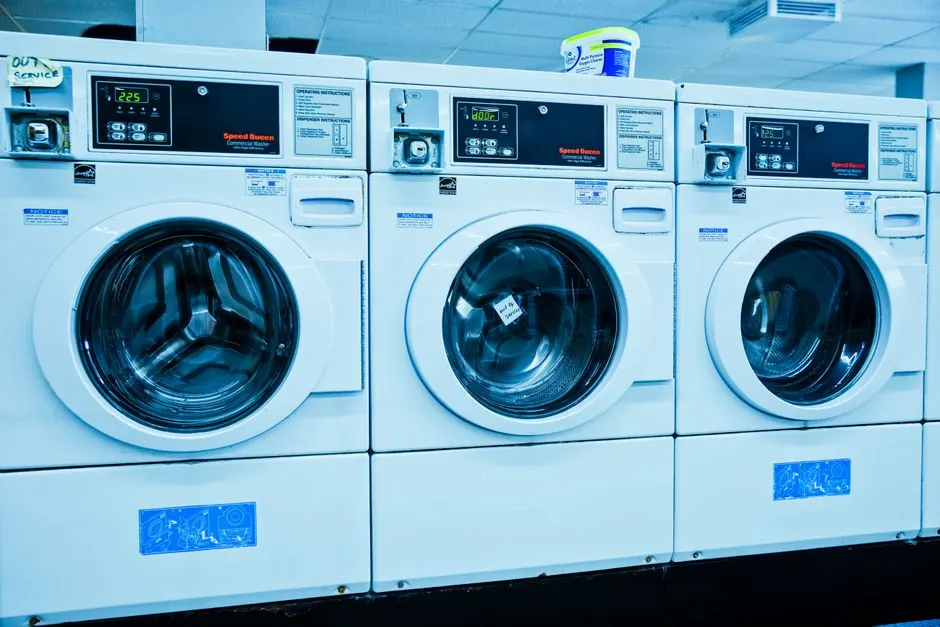
Contemporary laundromat with automated washing machines. Ideal for laundry and cleaning services.
Licensed Licensed & Bonded
Fully Insured Insured & Bonded
24/7 Emergency Same-Day Response
Warranty Backed Workmanship Guaranteed

What Front-Load Washer Repair Includes

Our service covers diagnosis of common front-load washer faults, repair of the identified component, and an operational check tied to your original symptom. We inspect connected hoses and accessible seals when they relate to the problem. Replacement of unrelated damaged parts or major installation changes is discussed separately before any additional work proceeds.

Fault and Error Diagnosis

We review the washer's displayed code and cycle behavior, then check the affected system. Testing helps distinguish a door-lock fault from a control issue or a drain problem from a pump failure. You hear what we found and why the repair is recommended.
Drain and Pump Inspection

We inspect accessible drain components, hose routing, and the pump area when water remains in the drum or the washer stops before spin. After clearing or repairing the fault, we run a drain test and confirm that water exits without leaking at the connections.

Door Seal and Leak Checks

We examine the door boot seal and nearby connections when water appears at the washer's front or base. If a damaged seal is the cause, we replace the affected part and test the door closure. We also check the floor area for fresh drips during operation.

Repair Verification

After completing the approved repair, we test the cycle stage connected to the original fault. That can include filling, draining, spinning, or door locking. We listen for unusual noise, check for excessive movement, and confirm the washer is operating as expected before finishing.

Front-Load Washer Repair in California: What We Do


Front-Load Washer Repair in California is an in-home appliance service that diagnoses and fixes front-loading washers that leak, fail to drain, spin poorly, or stop during a cycle. We check the displayed fault, confirm power and water supply, inspect the door boot seal and hoses, then test the drain pump and other likely components. A multimeter helps verify electrical readings before parts are changed. We finish with a test cycle and check for leaks, abnormal vibration, and proper water removal.

California homes range from cool coastal apartments to hot inland laundry rooms, and installation conditions affect how washer faults show up. A damp room can encourage mildew around the door seal, while a kinked drain hose can leave standing water after a load. If you are looking for front-load washer repair near me in California, tell us the brand, error code, and symptoms; that helps us prepare for a focused inspection and bring appropriate parts.

What to Expect During Service

Front-load washer service follows a clear sequence, from symptom review to a verified test cycle. We keep you informed at each stage and explain the result in plain language.

01

Schedule

Call or book online — a real human picks up and confirms a 2-hour arrival window.

02

Diagnose

Licensed tech inspects on-site, then walks you through the cause and your options.

03

Fix

The job is completed to code and done right the first time — no shortcuts, no surprises.

04

Guarantee

Every job backed by a written workmanship warranty — and we stand behind it.

Tools and Repair Methods

Tools & Equipment

Multimeter

We use a multimeter to check continuity and electrical readings on relevant washer components, helping confirm a failed circuit before replacing a part.

Clamp meter

A clamp meter measures current draw without interrupting a conductor when the diagnostic procedure calls for it, helping us assess motor or pump operation.

Nut driver set

A nut driver set provides controlled access to panels and fasteners during inspection and repair, reducing the risk of damaging surrounding cabinet surfaces.

Hose clamp pliers

We use hose clamp pliers to release and secure compatible hose connections during drain or inlet service, then check the connection during a leak test.

Inspection mirror

An inspection mirror helps us view concealed hose connections and lower cabinet areas where a direct line of sight is limited by the washer installation.

Methods & Standards

Symptom-to-cycle diagnosis

We map the reported symptom to the exact cycle stage: fill, wash, drain, spin, or door release. Then we test the systems involved in that stage rather than replacing parts based only on an error code. This narrows the repair and helps explain the result clearly.

Electrical verification

We isolate the relevant circuit and check its readings using the service procedure for the washer model. Electrical testing helps distinguish a failed component from a loose connection or a control problem. We restore panels and connections securely before operating the machine.

Leak-path inspection

When water appears around the washer, we inspect the door seal, inlet hoses, drain hose, and accessible connections in sequence. We run the machine under controlled conditions and watch the likely leak points. The repair is considered complete only after the area stays dry during testing.

Post-repair cycle check

We test the stage affected by the repair and, when practical, run the washer through the related cycle functions. We check drainage, spin behavior, door operation, and visible connections. This confirms the repair addressed the reported problem rather than simply clearing the displayed code.

When to Call for Front-Load Service

01

Your washer finishes a cycle but leaves the clothes soaking and water pooled behind the glass door.

What we do: We check the drain path, pump, and any displayed code, then test the washer's ability to remove water. If a blockage is present, we clear it; if a component has failed, we explain the repair and replace the confirmed part after approval.

→ The washer drains through the test cycle, and you can remove laundry without bailing water or restarting the cycle repeatedly.

02

A front-loader leaks from the lower door edge during a heavy load in an apartment laundry closet.

What we do: We inspect the door boot seal, door closure, and nearby hoses while protecting the limited floor space. We identify whether the leak comes from the seal or another connection, complete the relevant repair, and run a controlled wash check.

→ You get a confirmed source and a leak check before the washer is returned to regular use, reducing the chance of water spreading into the closet.

03

The washer makes a loud thumping sound and stops as the drum tries to spin a bulky load.

What we do: We check the load behavior, level, and suspension system, then inspect for a worn or damaged component. After correcting the cause, we test a spin stage and explain how distributing bulky items can help prevent an unbalanced cycle.

→ The machine completes the spin test with less movement, and you know whether the fault was mechanical, installation-related, or load-related.

04

Your front-load washer displays an error and will not unlock after a cycle has stopped.

What we do: We check whether water remains in the drum, review the code, and test the door-lock and drain functions before opening the machine. Once the cause is clear, we repair the failed system and confirm the door releases safely after the test.

→ You regain access to the laundry without forcing the latch, and the washer is checked for the condition that caused the lockout.

How Service Works Across California

California front-load washer repair has to account for different home layouts and operating conditions, not just the appliance itself. In coastal areas, cool, damp laundry rooms can contribute to mildew on a door seal; inland heat can make a poorly ventilated laundry closet uncomfortable and slow drying around damp clothing. We inspect the washer where it sits, including hose routing, clearances, and the floor beneath it. In older buildings, narrow doorways and shared laundry spaces can affect how a machine is accessed, while stacked units require careful movement and protection of the dryer above. We follow local plumbing and electrical code compliance where connected work requires it and observe California appliance efficiency and water-use requirements where applicable. If your machine has a leak or a persistent odor, describe when it happens and whether the washer is in a closet, garage, or shared room. That detail helps us plan a useful inspection and check the right components.

Neighborhoods We Serve

  • San Francisco

    Compact apartment laundry closets and stacked units call for careful access planning. We check drain routing and door-seal moisture where limited airflow can keep the washer damp between loads.

  • Oakland

    A mix of older homes and multi-unit buildings means washer access and drain connections can vary. We inspect the installed setup before moving a machine or testing a leak.

  • Visalia

    Warm inland laundry rooms can make a damp seal or trapped detergent odor more noticeable. We check the door boot seal and drainage, then explain simple steps to keep the area dry.

  • Santa Rosa

    Cooler, damp conditions can leave moisture around the gasket after a wash. We inspect the seal and dispenser area when a musty odor returns despite routine cleaning.

Local Conditions We Plan For

  • Coastal moisture lingers in laundry closets with limited airflow

    A damp door seal can develop mildew odor even when the washer drains properly. We inspect the gasket and dispenser, distinguish odor buildup from a leak, and test the drain before recommending a repair.

  • Inland heat raises temperatures in garage laundry areas

    Hot conditions can make a laundry room uncomfortable and draw attention to long cycle times or drying concerns. We focus diagnosis on washer operation, water flow, and ventilation around the installed appliance rather than assuming heat caused a mechanical failure.

  • Older buildings have narrow access and varied connections

    Tight doorways, shared utility rooms, or older hose arrangements can affect inspection and safe appliance movement. We check access first, protect the surrounding area, and assess connected plumbing and electrical work for applicable local requirements.

Standing Water to Clear Drainage

Before

A front-load washer stopped after the wash and left water over the lower edge of the drum. Two restart attempts produced the same result, and the clothes remained heavy. The homeowner noticed a low humming sound during the drain stage but no visible leak around the machine.

After

We inspected the drain path and confirmed the pump could not move water through the obstructed system. After clearing the obstruction, we ran the drain function twice and checked that the drum emptied without a drip at the hose connection. The test took about 20 minutes after the repair was complete.

Maintenance: Clean the accessible pump filter according to the model instructions and check pockets before loading. If water remains after one completed drain attempt, stop repeated restarts and arrange a diagnosis before the pump is strained further.

Before

Water appeared at the front-left corner during larger loads, leaving a damp strip along the laundry-room floor. The door looked closed, but the rubber seal had a small tear near its lower fold. The leak was more noticeable during the rinse stage.

After

We replaced the damaged door boot seal, checked its seating around the opening, and ran a rinse and spin test. The floor remained dry through both stages, and the door closed evenly. The repair and verification took about 2 hours, depending on model access.

Maintenance: Wipe the gasket folds after laundry, remove trapped lint, and leave the door open briefly so moisture can escape. Check the seal monthly for cuts or objects caught in the lower fold.

Before

A washer repeatedly stopped before high-speed spin and displayed an error after bulky bedding was washed. The load came out wet, and the cabinet moved several inches during the last attempt. The machine had not been checked for level since installation.

After

We checked the washer's position and inspected the suspension before testing the spin stage. After correcting the installation issue, the machine completed a 10-minute spin test without the cabinet shifting across the floor. The bedding came out damp rather than saturated.

Maintenance: Keep the washer level and balance bulky items with similarly sized pieces. If the cabinet begins moving or the same spin error returns with ordinary loads, stop the cycle and schedule an inspection.

Fixes for Front-Load Washer Problems

Front-load faults can interrupt laundry and expose floors to water, but the same symptom does not always mean the same failed part. We trace what the washer does, test the related system, and repair the cause. If the door will not unlock or water remains inside, tell us before attempting to force the door.

Problem

Water remains in the drum after the cycle ends

Standing water can leave clothes heavy and create a musty odor; repeated attempts to run the cycle can strain a failing pump.

Our Fix

We inspect the drain hose and accessible pump area for obstruction, then test pump operation and the washer's drain stage. If the pump has failed, we replace the affected component and run a drain test. We also check hose connections so the repair does not trade standing water for a leak.

Problem

A door boot seal leaks during the wash

Water can spread beneath the washer and damage nearby flooring or cabinetry, especially when the leak goes unnoticed through several loads.

Our Fix

We check the door boot seal for tears, debris, and poor seating, then inspect the door closure and adjacent connections. A damaged seal is replaced with the correct part for the model. We run the washer and watch the door area to confirm the leak has stopped.

Problem

The drum shakes hard or will not reach spin

Excessive movement can make the washer noisy, interrupt the cycle, and put stress on surrounding connections and the laundry-room floor.

Our Fix

We assess the load behavior, machine leveling, and suspension components before deciding whether a part has failed. After correction, we run a spin test and listen for recurring vibration. We also explain how load size and distribution affect front-load balance so you can reduce repeat interruptions.

Problem

Washer stops mid-cycle with an error code

A stopped cycle can leave detergent in clothing, water in the drum, or the door locked, preventing the next load from starting.

Our Fix

We record the code and identify which stage failed, then test the relevant door-lock, water, drain, or control circuit. We do not treat the code alone as proof that a specific part is bad. Once the fault is confirmed, we repair it and verify the machine completes the affected stage.

Practical Results for Your Laundry

Practical Results for Your Laundry

A good repair addresses the cause, not just the symptom. We explain what failed, complete the agreed repair, and test the washer under operating conditions so you can use it with confidence.

  • Find the Fault First

    We check the error code, water flow, drain route, door lock, and spin behavior before recommending a part. That sequence helps separate a blocked hose from a failed pump and avoids replacing components that still work. You get a clear explanation of the finding and the repair needed.

  • Protect Floors and Cabinets

    A small leak can spread under a washer before it becomes visible at the front. We inspect the door boot seal, inlet hoses, and drain connections, then run a controlled test. Catching a loose connection or damaged seal early helps limit water exposure to flooring and nearby cabinetry.

  • Restore a Complete Spin

    A washer that drains but leaves clothes dripping may have a spin, balance, or drive problem. We check the load behavior and relevant mechanical parts, then verify that the drum reaches the proper spin stage. You get clothes that need less time in the dryer and fewer interrupted loads.

  • Fit Repair to the Machine

    Front-load designs differ by brand and model, so we identify the appliance before selecting parts or procedures. Our front-load washing machine service California homeowners request covers major brands and common household configurations, including stacked laundry spaces where access and safe movement require extra care.

Training and Service Standards

Licensed & Certified

  • OSHA Workplace Safety Training — issued by Occupational Safety and Health Administration
  • Manufacturer-Specific Appliance Service Training — issued by Appliance manufacturers
  • EPA Section 608 certification for technicians handling regulated refrigerants in applicable appliances — issued by U.S. Environmental Protection Agency

Verified Reviews

Customer feedback Front-load service

The technician diagnosed our washer not draining by checking the filter and pump instead of guessing. He cleared the obstruction, ran a drain test, and showed us that the drum emptied properly. The explanation was straightforward, and the laundry room floor stayed dry.

Customer feedback Door seal repair

Our washer leaked around the door during rinse. The damaged gasket was identified, replaced, and checked through a test cycle. We appreciated seeing the leak check before the technician packed up, and the door now closes evenly.

Customer feedback Spin fault diagnosis

The washer shook hard and stopped before spin. The technician checked the installation and suspension, explained the cause, and tested the machine after the correction. It completed the spin stage without moving across the floor.

Front-Load Service Expertise

Front-load washers combine electronic controls, water valves, door-lock systems, pumps, and high-speed drum assemblies. Our technicians use manufacturer-specific appliance service training and work through the fault in a repeatable order, rather than swapping parts based on a guess. We service Whirlpool, Maytag, LG, Samsung, GE Appliances, Frigidaire, Electrolux, Bosch, Speed Queen, and Amana models. We also follow OSHA workplace safety training and applicable California appliance efficiency and water-use requirements. Our focus is the repair in front of us: identify the failed part, protect your home, and verify the washer's operation.

  • We match diagnostic steps to the washer's model and error code, then test the relevant circuit before recommending a replacement part.
  • Our technicians receive manufacturer-specific appliance service training for varied control layouts, door-lock assemblies, and drain systems.
  • We inspect door boot seals, pump filters, hose connections, and drum movement to distinguish wear from an installation problem.
  • OSHA workplace safety training informs how we move and secure heavy appliances in tight laundry rooms and stacked installations.
  • We follow local plumbing and electrical code compliance requirements where the repair involves connected water or electrical work.
Get Started Today
Front-Load Service Expertise

Cities We Serve Across California

We provide Front-Load Washer Repair across California, with service for coastal apartments, inland homes, and laundry rooms in larger city centers. Our coverage includes California front-load washer repair in the communities listed below, as well as nearby areas. Tell us your washer brand, model, and symptoms so we can plan an inspection that fits the appliance and access conditions.

San Francisco

We service front-load washers in apartments and homes, checking compact closet installations, stacked units, and drain routing before testing the repair.

Oakland

Our inspection accounts for varied building layouts and shared laundry spaces, with attention to leaks, drain connections, and safe appliance access.

Santa Rosa

We diagnose drainage, spin, and seal concerns, including moisture-related odor in laundry rooms where the door gasket stays damp.

Glendale

We check front-load door seals, pumps, and error codes, then test the affected cycle stage before finishing the service visit.

Visalia

We handle drain faults, leaking seals, and interrupted spin cycles in household laundry rooms, confirming operation with a post-repair test.

Pomona

We inspect the washer's water supply, drain path, and door-lock function to pinpoint the cause of leaks or cycles that stop early.

Seaside

We check gasket moisture, musty odors, and drainage concerns, then verify that the washer completes the function related to the repair.

Costa Mesa

We service front-load models in homes and compact laundry spaces, checking for vibration, hose leaks, and door-seal wear.

Rialto

We diagnose washers that will not drain, fill, or spin and confirm the repair with an operating test at the appliance.

Manteca

We inspect front-load pumps, seals, and water connections, with a cycle check to make sure the original symptom is resolved.

Whittier

We troubleshoot error codes, leaks, and spin interruptions, adapting the inspection to closet, garage, and stacked installations.

Napa

We check door boot seals and drain systems when a washer develops odor, retains water, or leaves clothes wet after a cycle.

Davis

We assess front-load washer operation in household and multi-unit laundry spaces, checking cycle faults and accessible water connections.

Rocklin

We diagnose excessive vibration, drainage problems, and door-lock faults, then test the affected washer function before wrapping up.

Hanford

We inspect the pump, hoses, and door seal for common front-load failures and verify drainage or spin performance after repair.

Front-Load Washer Repair Questions

Real answers to the questions we hear most often from local homeowners and property managers.

How much does front-load washer repair cost in California?
Most front-load washer repairs cost about $180 to $450 in 2026, depending on the failed part and labor required. A diagnostic visit identifies whether the issue is a hose, door lock, pump, or control component; major assemblies can cost more. We give you the repair price upfront before work begins. Share the washer brand, model, and any error code when you call so we can narrow down likely parts.
Why is my front-loading washing machine not draining?
A front-loading washer that will not drain most often has a blocked filter or hose, a pump obstruction, or a failed drain pump. Turn the machine off and avoid opening the door if water remains inside. We inspect the drain path and test the pump, then clear a blockage or replace a failed component as needed. California service for a front-load washer that will not drain includes a drain test after the repair.
Can a front-load washer door gasket be repaired in California?
Yes, a damaged front-load door gasket can often be repaired by replacing the door boot seal, with many jobs taking about 1 to 2 hours. We check the seal for tears, trapped debris, and poor seating, then inspect the retaining connections and run a leak test. If the door or tub is also damaged, we explain that finding before proceeding. Wiping the gasket dry after use helps reduce mildew buildup.
Where can I find front-load washer repair near me in California?
California Washer Repair serves households across California, including San Francisco, Oakland, Santa Rosa, and cities throughout the Central Valley and southern regions. Call +18665940052 with your city, washer brand, and symptoms to arrange service. We use those details to route the request and prepare for the likely repair. Our technicians work on major front-load brands and test the washer after completing the approved work.

More Washer Services

Washing Machine Repair

If your laundry problem involves a different washer design or a fault beyond the front-load system, our broader washing machine service covers diagnosis, parts, and operational testing. We check the symptom and model first, then select the repair path that fits your appliance.

View Washing Machine Repair

Top-Load Washer Repair

Top-load models use different lid, suspension, and wash mechanisms from front-load machines. We diagnose a washer that will not fill, spin, or lock, then test the repaired function. If you are replacing an older unit, we can help identify the service your new design needs.

View Top-Load Washer Repair

High-Efficiency Washer Repair

High-efficiency washers depend on correct water levels, detergent use, and balanced loads. We trace error codes, drain faults, and interrupted cycles to the actual cause. For front-load owners, that same careful approach helps protect efficient operation without masking a mechanical or electrical problem.

View High-Efficiency Washer Repair

Stackable Washer Repair

A stacked washer can be difficult to access and move, especially in a narrow closet. We inspect the model, connections, and available clearance before service, then work carefully around the dryer and surrounding walls. Tell us if your washer is stacked when you book.

View Stackable Washer Repair

Washer-Dryer Combo Repair

Washer-dryer combos share space and controls, so a washing fault can disrupt the entire laundry cycle. We assess whether the problem sits in filling, washing, draining, or drying, then test the affected stage. Front-load owners benefit from clear diagnosis before a part is changed.

View Washer-Dryer Combo Repair

Commercial Washer Repair

A commercial washer fault can interrupt laundry operations in shared or business facilities. We assess the machine's use, symptoms, and model, then identify the repair required. For multi-unit properties, provide the number of affected machines and whether water is leaking or standing in the drums.

View Commercial Washer Repair

Book Front-Load Washer Repair in California

A washer that leaks, will not drain, or leaves a load soaking needs a proper diagnosis. Call California Washer Repair at +18665940052 to arrange service; our technicians test the repair before wrapping up.

Call Now Schedule Service

Contact California Washer Repair

Tell us what your washer is doing and where you are in California. Call +18665940052 to discuss the symptom, share the make and model, and arrange a service time. Our phone line is open Monday through Friday, 8:00 a.m. to 6:00 p.m.; for an active leak, mention it first so we can address the immediate risk.

Or call us right now at +18665940052 — we answer.

California Washer Repair


  • Phone

    +18665940052
  • Address

    California

  • Hours

    Mon–Fri: 7AM – 7PM
    Sat: 8AM – 4PM
    Sun: Emergency Only
    24/7 Emergency Available

Call +18665940052 Get Quote
Call Quote