
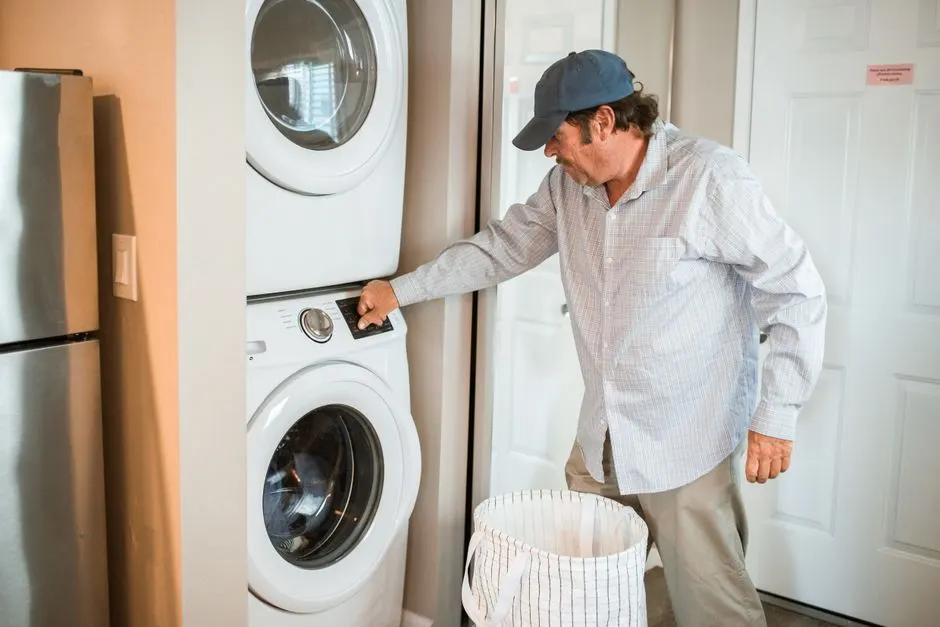
Schedule commercial washer maintenance in California at least every 3-6 months, then shorten the interval for machines running multiple shifts or more than 8-10 cycles a day. Daily operator checks and weekly cleaning fill the gaps between professional visits and help catch leaks, vibration, and draining problems before a busy laundry room loses a machine.
Commercial washer maintenance California is preventive equipment care that keeps business washing machines safe, clean, and ready for repeated loads. Below, we explain service intervals, what a visit should cover, how California conditions affect timing, and which warning signs deserve a prompt call.
At California Washer Repair, we help laundromats, apartment buildings, hotels, care facilities, and other businesses plan maintenance around actual usage rather than a calendar alone. A small leak or a slow drain is easier to address before it stops a full day of laundry.
When to schedule commercial washer maintenance in California
Businesses in California should schedule professional commercial washer maintenance every 3-6 months, with quarterly visits for high-use machines and earlier service when symptoms appear. For one- or two-shift operations with moderate loads, a six-month inspection is a practical starting point; continuous-use laundromats should plan for a three-month cycle.
Use operating hours and cycle counts to make the schedule useful. A washer completing 12 cycles daily accumulates wear much faster than a machine used for a few staff uniforms, even if both were installed at the same time. If you need repair between maintenance visits, our Washer Repair in California team can inspect the machine and help you return it to service.
Do not wait for the planned visit if you notice water beneath the cabinet, a burning smell, repeated error codes, or a drum that bangs during extraction. Shut down the affected unit if there is an electrical smell or active leak, and keep customers and staff away from standing water.
How often should commercial washers be maintained in California?
Commercial washers in California should receive daily visual checks, weekly operator cleaning, and professional preventive maintenance every 3-6 months. Heavy-use laundromats and facilities running 8-10 or more cycles per machine each day should use the shorter, quarterly interval.
That schedule is a baseline, not a substitute for the washer manufacturer's service recommendations. Some commercial machines track cycles or display maintenance reminders; record those readings and follow the model-specific guidance. If a machine runs through several shifts, the service interval should reflect the number of cycles, not just the number of months since the last appointment.
Keep a simple log for each unit: model and serial number, cycle count if available, service dates, faults, and parts replaced. A pattern of slow drains every few weeks, for example, gives our technician a more useful starting point than a report that the washer "sometimes acts up."
- Daily: Look for leaks, unusual noise, loose hoses, and visible detergent buildup.
- Weekly: Clean accessible dispensers and door seals, and clear lint or debris where the manual permits.
- Every 3-6 months: Arrange a professional inspection based on workload and the manufacturer's guidance.
What professional maintenance should cover
A commercial washer maintenance visit in California should include a hands-on inspection of water connections, drainage, electrical connections, door or lid seals, suspension, controls, and the machine's operating cycle. We check the parts that take repeated stress and test how the washer fills, heats when equipped, drains, and spins.
During commercial washing machine servicing California businesses need, we look for hose bulges, cracked seals, loose clamps, corrosion, detergent residue, and signs that the washer is moving out of level. We also check the drain path for restrictions and inspect accessible filters according to the model's service procedure.
The technician should run a test cycle after adjustments or repairs. A machine that looks clean while idle can still fail under load; a test helps reveal excessive vibration, incomplete drainage, temperature issues, or an error that returns during operation.
For businesses with mixed equipment, identify which units are front-load, top-load, or high-efficiency before the visit. Service steps differ by design, and the right Commercial Washer Repair in California visit should fit the machine type and its usage history rather than apply one checklist to every model.
Build a preventive maintenance schedule around workload
A preventive maintenance schedule for business washing machines in California works best when it matches the equipment's daily cycle count, load type, and busiest operating periods. Put the inspection on a calendar, assign a staff member to routine cleaning, and leave enough spare capacity to take one unit offline without disrupting the entire operation.
For a laundromat, schedule professional servicing before a known peak period or during a weekday window when customer volume is lower. An apartment property can group laundry-room equipment checks with other building maintenance, while a hotel or care facility should coordinate service so clean linens remain available during the visit.
Write down who is responsible for each task. Staff can perform routine visual checks and cleaning that the manufacturer allows; a qualified technician should handle electrical tests, internal adjustments, and diagnosis of mechanical faults.
- List each washer, its model, location, and estimated daily cycles.
- Set quarterly service for high-use machines and six-month service for moderate-use units.
- Record daily observations and weekly cleaning in a shared log.
- Move a service date forward when recurring symptoms or an error code appears.
California business laundry equipment maintenance also means keeping access clear around machines. A technician needs room to inspect hoses, valves, panels, and drains safely; boxes stored against a washer can hide a small leak until it reaches the floor or neighboring equipment.
Seasonal timing and California operating conditions
California businesses should review washer condition before winter rains and schedule maintenance ahead of the busiest seasonal demand rather than wait for a breakdown. In November, check that floor drains work, hoses remain sound, and laundry-room ventilation keeps damp air from lingering as buildings close windows for cooler weather.
Across the state, operating conditions differ. Coastal sites can see corrosion on exposed metal fittings in damp rooms, while inland facilities may contend with hard-water scale that affects valves, dispensers, and heating components. A water hardness reading above roughly 7 grains per gallon is commonly considered hard; use local water information and the machine manual when deciding whether scale control needs attention.
In warmer inland areas, laundry rooms with poor airflow can stay humid after repeated loads. Check that vents are not blocked and that water does not sit around the washer base. In cooler months, confirm that exposed supply lines in unheated service areas are protected from freezing conditions.
Operating patterns matter more than a statewide calendar. A property in Los Angeles with steady daily tenant use and a seasonal resort with concentrated laundry demand need different inspection dates. We schedule service around those patterns, including Washer Repair in Los Angeles customers managing high-use laundry rooms and buildings with older plumbing connections.
Common mistakes that shorten washer life
Common commercial washer maintenance mistakes in California include waiting for a breakdown, overloading drums, using too much detergent, and ignoring small leaks or vibration. These habits turn straightforward wear into avoidable downtime and can damage floors, nearby machines, or the washer's suspension.
Overloading is especially hard on bearings, suspension components, and drive systems. Follow the rated capacity for the specific model; do not treat a nominal drum size as permission to pack in bulky items that cannot tumble or distribute evenly.
Excess detergent can leave residue in dispensers and seals, while the wrong detergent can create excess suds in high-efficiency models. Use the product and dose specified for the machine and water conditions. Wipe a door seal after use when the manufacturer recommends it, and leave the door open only where the room and safety procedures allow.
Watch for these signs a commercial washer needs service in California:
- A new puddle, hose drip, or damp patch that returns after cleaning.
- A spin cycle that leaves loads unusually wet or takes much longer than normal.
- Grinding, repeated banging, a burning odor, or a cabinet that shifts during extraction.
- Recurring error codes, inconsistent water temperature, or a drain that backs up.
Do not keep resetting a machine that repeatedly trips a breaker or displays the same fault. Record the code and take the unit out of service if you see smoke, smell overheated wiring, or find water near an electrical connection.
When to call a professional
Businesses in California should call a washer technician when a leak, repeated error, abnormal noise, failed drain, or electrical symptom does not clear after basic operator checks. A professional can identify whether the problem comes from a blocked drain, failing valve, worn seal, imbalance, or another component before you replace parts unnecessarily.
Routine maintenance can reduce downtime with commercial laundry equipment maintenance because it catches wear before a washer fails during peak use. It cannot prevent every part failure, but a service log and regular inspections give you earlier warning and a clearer repair history.
Our team at California Washer Repair checks the machine, explains what we find, and tests the washer after the work. If a unit is showing symptoms now, tell us the model, error code, and what happens during a cycle so we can prepare for the visit.
Frequently Asked Questions
How often should commercial washers be maintained in California?
Schedule professional maintenance every 3-6 months, with quarterly service for high-use machines running roughly 8-10 or more cycles each day. Check machines visually each day and clean accessible parts weekly. Follow the manufacturer's requirements, and move the service visit forward if you see leaks, recurring codes, or unusual vibration.
What does commercial washer preventive maintenance include?
Preventive maintenance includes inspecting hoses, seals, drains, electrical connections, suspension, controls, and accessible filters, then testing the washer through a cycle. The technician checks for leaks, residue, noise, vibration, and incomplete draining. Exact steps vary by washer model, so the service should follow the manufacturer's procedures.
When should a business schedule laundry machine service?
Book routine service every 3-6 months based on workload, and schedule earlier if a washer leaks, drains slowly, leaves loads wet, or shows a recurring error code. For busy operations, plan visits during lower-volume windows and before seasonal demand rises so one machine can be serviced without interrupting the whole laundry room.
Can routine washer maintenance reduce commercial downtime?
Yes. A 3-6-month inspection combined with daily checks can uncover worn hoses, loose fittings, drainage restrictions, and vibration before they stop a washer. Maintenance cannot eliminate every failure, but tracking cycle counts and repair history helps you address repeat issues earlier and plan service around operating needs.
Get help with Washer Repair in California
Keep your laundry room working with a maintenance schedule built around your equipment and daily demand. Call California Washer Repair at +18665940052 to arrange commercial washer service.