Logo
Get Estimate

Washer Replacement in California for a Reliable Laundry Room

New equipment fitted carefully, tested before we leave


Washer Replacement in California gives homeowners and property managers a practical way to replace a failing machine before leaks, noise, or missed laundry become a bigger disruption. Our team handles removal, fit checks, water and drain connections, leveling, and a test cycle. Choose California washer replacement when repeated breakdowns or an aging washer make dependable laundry more important than another repair.

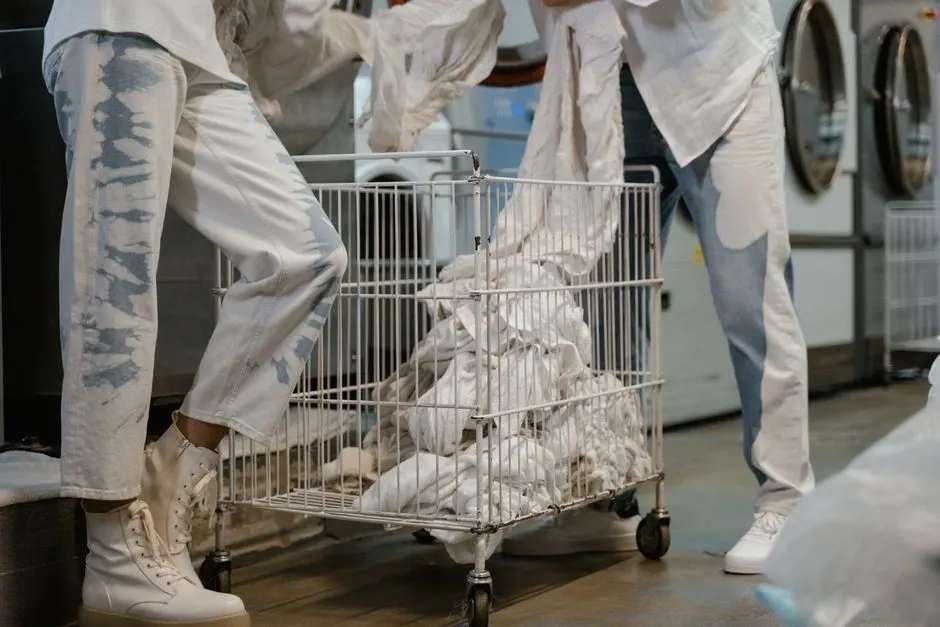
Two individuals loading laundry into washers at a self-service laundromat.
Licensed Licensed & Bonded
Fully Insured Insured & Bonded
24/7 Emergency Same-Day Response
Warranty Backed Workmanship Guaranteed

What Washer Replacement Includes

Washer replacement covers removal of the existing machine, fit and access checks, connection of compatible water and drain lines, leveling, and operational testing. We inspect visible hookups and explain any problem that prevents a safe installation. Appliance purchase, major plumbing or electrical alterations, cabinetry changes, and difficult building access are separate work when required; we identify those needs clearly rather than treating them as routine washer setup.

Fit and Access Review

We measure the opening and check the route from the entrance to the laundry area, including turns, stairs, and door clearance. This confirms the replacement can be moved into position and leaves enough room for hoses, ventilation, and normal service access.

Old Washer Removal

We disconnect water and power, manage residual water, and remove the old washer using suitable handling equipment. We protect the path where practical and keep hoses contained to reduce drips. Disposal arrangements are discussed as part of the job plan.

Water and Drain Hookup

We connect compatible inlet hoses and route the drain hose according to the washer instructions and existing setup. Accessible connections are checked for secure fit and visible leakage. A damaged valve, blocked drain, or code issue is explained before it is treated as additional work.

Leveling and Test Run

We adjust the washer feet so the cabinet sits firmly, then restore water and power and perform an appropriate test. We check filling, drainage, leaks, and excessive vibration. You receive a brief walkthrough of operating basics and the location of accessible shutoff controls.

Washer Replacement in California: The Work


Washer Replacement in California is an appliance installation service that removes a failing or outdated washer and connects a suitable replacement for safe, tested laundry operation. We check the available width, depth, door swing, supply valves, drain standpipe, outlet, and floor before moving the new machine into place. The job includes disconnecting the old unit, protecting the route through your home, connecting compatible inlet hoses and drain hoses, leveling the washer, and running a diagnostic cycle. Those checks help prevent a poor fit, vibration, or a slow leak after installation.

Across California, replacement needs range from a washer that will not spin to recurring water leaking from the washer or a control failure that stops a cycle. Hard use in a busy household, limited laundry-room access, and older hookups can all shape the work. If you are weighing when to replace a washer in a California home, we compare the repair symptoms with the machine's age, parts availability, and the cost of a correctly sized replacement. We explain the practical options before moving equipment.

How Replacement Works

Washer replacement follows a measured sequence: confirm the appliance and access, disconnect safely, fit the new unit, and test operation. We keep you informed as we work and protect the path between the entrance and laundry area. A straightforward installation often takes about two to four hours, while access or hookup corrections add time.

01

Schedule

Call or book online — a real human picks up and confirms a 2-hour arrival window.

02

Diagnose

Licensed tech inspects on-site, then walks you through the cause and your options.

03

Fix

The job is completed to code and done right the first time — no shortcuts, no surprises.

04

Guarantee

Every job backed by a written workmanship warranty — and we stand behind it.

Tools and Installation Methods

Tools & Equipment

Multimeter

We use a multimeter for appropriate electrical checks when diagnosing a washer or confirming a safe, compatible installation condition. It helps identify a power issue without guessing at the cause.

Clamp meter

A clamp meter helps assess current draw during relevant diagnostic checks. We use readings alongside symptoms and manufacturer information rather than treating one measurement as a complete diagnosis.

Nut driver set

A nut driver set helps remove and secure model-specific panels or fasteners when access is needed for inspection. We use the correct size to reduce the chance of damaging fasteners.

Appliance dolly

An appliance dolly supports controlled movement of a washer through suitable doorways and hallways. We assess the route first and use safe handling practices, especially around stairs and tight turns.

Hose clamp pliers

Hose clamp pliers help release and position compatible clamps during service work. We check the drain hose routing and connection security so the washer can discharge water without a loose or kinked line.

Methods & Standards

Manufacturer installation sequence

We follow the washer's installation instructions for shipping hardware, leveling, clearances, hose routing, and first-cycle checks. Models differ, so we confirm the steps for the appliance in front of us instead of applying one generic setup to every brand.

Connection and leak verification

After opening the water supply, we inspect accessible joints and run the washer through a fill and drain test. We watch for drips at the valves and hose connections, confirm the drain line remains secure, and address visible problems before leaving the appliance operating.

Stable-footprint check

We position the washer on the available floor, adjust the feet, and check stability before a spin test. If the floor flexes or the opening restricts movement, we explain how that condition can affect vibration and whether additional work is needed for a stable installation.

Local code-conscious hookup review

We consider applicable California appliance efficiency and water-use requirements and local plumbing and electrical code compliance when existing connections are involved. We do not improvise on damaged or unsuitable hookups; we identify the issue and explain the correction needed for safe operation.

When Replacement Makes Sense

01

A household has paid for multiple washer repairs, but the machine still stops or leaks during ordinary weekly loads.

What we do: We review the repair history and current symptoms, then compare another repair with a suitable replacement. We check model dimensions, the water and drain points, and the route into the laundry space. If replacement is the sounder choice, we remove the existing washer, install the new unit, level it, and test a full operating sequence.

→ You get a dependable laundry setup and a clear reason for the decision, rather than another repair that leaves the same recurring failure unresolved.

02

A landlord needs to restore laundry service after a tenant reports water leaking from an older washer.

What we do: We inspect the appliance and visible hookups, protect the shared access route, and determine whether the leak is from a repairable hose or a failing machine. If replacement is needed, we coordinate removal and installation around the room's dimensions and building access, then verify drainage and visible connections.

→ The laundry area returns to service with the new washer tested, and the property manager understands whether any separate valve or drain correction remains.

03

A family is changing appliances and discovers the selected washer may not clear a narrow closet doorway.

What we do: We measure the opening, approach, and door clearance before moving equipment. We verify the replacement's dimensions and connection locations, then plan removal and installation to avoid damaging walls or forcing a poor fit. Once positioned, we level and run the model's installation checks.

→ The washer fits the actual space, the door can operate properly, and the household avoids a delivery-day surprise that leaves the appliance in the hallway.

04

A compact apartment laundry area needs a replacement after repeated error codes and unreliable cycles.

What we do: We identify whether the unit is a standard, stackable, or combination model and assess the service access around it. We compare the replacement footprint and connection requirements before removal. The new appliance is installed according to its instructions, with attention to clearance, stable footing, and a tested drain path.

→ You have a workable replacement plan for a limited space and a tested machine that can complete its basic operating functions.

How Replacement Works Across California

Washer Replacement in California has to account for more than the appliance model: the home, access route, water connections, and local conditions all matter. In coastal areas, older metal fittings and damp utility spaces deserve a close visual check; inland heat and dry conditions make water-use choices and hose condition worth reviewing. Apartment buildings often add elevator reservations, narrow corridors, stacked units, and shared laundry areas, while many single-family homes place washers in garages or compact closets. We measure before removal and protect floors along the route. For washing machine replacement and installation California homeowners also need a setup that follows the manufacturer's requirements and applicable local plumbing and electrical codes. In November, cooler nights in some regions make it sensible to check exposed water lines and shutoffs before disconnecting an appliance. We run the new washer through a test, inspect accessible joints, and leave you with clear operating guidance.

Neighborhoods We Serve

  • Central Los Angeles apartment corridors

    Tight hallway turns and shared building access call for measurements before moving a washer. We plan the route and protect common areas while removing and positioning equipment.

  • Inland garage laundry rooms

    Garage installations often have wider access but can expose hoses and valves to temperature swings. We inspect visible connections and confirm the washer sits level on the available floor.

  • Coastal condominium laundry closets

    Compact closets and neighboring walls limit clearance, so door swing and service access matter. We verify dimensions and check accessible fittings before the replacement is pushed into place.

  • Older multi-unit laundry spaces

    Shared rooms can have worn shutoffs, long drain runs, and restricted work windows. We inspect the accessible hookup and test drainage so a new machine is not installed over an obvious connection problem.

Local Conditions We Plan For

  • Cooler November nights near exposed laundry-room plumbing

    In colder inland locations, exposed lines can be more vulnerable during overnight temperature drops. We check visible supply lines and shutoffs during the installation and avoid leaving a disconnected line or open valve unattended.

  • Hard-water deposits around older washer valves

    Mineral buildup can make shutoffs stiff or prevent a clean seal after reconnection. We inspect accessible valves before attaching the washer and identify a valve that cannot be operated safely instead of forcing it.

  • Narrow access in apartments and stacked laundry closets

    A washer that fits the alcove may still be impossible to turn through a corridor or doorway. We measure the route and account for the dryer, door swing, and available lifting space before removal begins.

From Repeated Leak to Dry Floor

Before

A household washer left water near the front corner after several loads. The owner had tightened a hose connection, but moisture returned during drainage, and the machine's age made another internal repair uncertain. Laundry stopped until towels dried the floor, with concern that water had reached the adjacent baseboard.

After

We removed the failing unit, checked the accessible supply and drain points, and installed a correctly sized replacement. After leveling, we ran a fill-and-drain test and inspected the connections for visible leaks. The washer completed the test without water appearing on the floor, and the customer could resume normal loads.

Maintenance: Check the floor and accessible hose joints monthly for moisture, especially during the first few weeks after installation. Keep the drain hose free of kinks and close the water valves if the home will be vacant for an extended period.

Before

A compact washer shook hard enough to shift several inches during spin. The laundry closet had little side clearance, and the floor felt uneven near one foot. Repeatedly adjusting the old machine did not stop the noise, and the owner worried it would strike the nearby cabinet.

After

We confirmed the replacement dimensions, cleared the access route, and set the new washer in the closet. The feet were adjusted for stable contact, with room left for the hoses. During a spin test, the cabinet stayed in position and did not strike the surrounding surfaces.

Maintenance: Avoid overloading the drum and keep loads balanced, especially with bulky bedding. Recheck the washer's stability after moving it or changing nearby flooring, and leave enough clearance to inspect hoses without pulling the appliance sharply.

Before

A rental property's washer stopped mid-cycle and displayed recurring errors. Tenants were restarting loads without knowing whether water remained inside, while the property manager had already arranged a repair visit. The repeated interruption made the shared laundry setup unreliable.

After

After reviewing the recurring fault and the machine's condition, we replaced the unit and verified the fit in the laundry space. We connected the supply and drain, leveled the cabinet, and ran an operating test that confirmed filling and drainage. The property manager received a clear walkthrough of the completed setup.

Maintenance: Use detergent according to the washer manual and avoid packing the drum beyond its rated capacity. Keep the area around the appliance clear, and report new leaks, unusual noise, or cycle errors before repeated resets become routine.

Solve Problems That Make Replacement Necessary

A washer that repeatedly fails can waste time, damage flooring, and leave laundry unfinished. We look beyond the visible symptom to determine whether the machine or its connections are responsible. If the repair outlook is poor, we plan replacement around the room, household use, and safe installation requirements.

Problem

A washer repeatedly leaks despite hose or seal repairs

Continued water exposure can swell flooring, stain nearby walls, and create a slip hazard, especially when the leak occurs during an unattended cycle.

Our Fix

We inspect the leak area and accessible connections to identify whether the fault belongs to the appliance or the house hookup. If repeated failures point to a worn cabinet, pump, or seal system, we remove the washer, check the replacement fit, connect the new unit, and test for leaks through an operating cycle.

Problem

A washer will not spin or drains slowly on most loads

Wet laundry adds time to every load and can keep a household or shared laundry room from completing its normal daily schedule.

Our Fix

We first distinguish a serviceable drain or drive fault from a failure that makes replacement more practical. Our assessment considers parts access, repeated symptoms, and the condition of the washer. If you choose replacement, we confirm the drain route and run a test to verify that water leaves the new machine correctly.

Problem

Excessive vibration continues after basic leveling

Strong shaking can make the washer walk out of position, strike nearby cabinets, or stress connections during high-speed spin cycles.

Our Fix

We check the floor, installation space, and washer stability to see whether the problem is correctable or tied to failing suspension components. When replacement is appropriate, we select a compatible footprint, level the new cabinet, and observe its spin test. The goal is stable operation rather than simply quieting one cycle.

Problem

An older washer stops mid-cycle with recurring errors

Unfinished loads and repeat resets become a routine burden, while an intermittent fault can make it hard to know when water remains in the drum.

Our Fix

We review the error behavior and determine whether a control, lock, or other repair is viable. If recurring faults and parts cost favor replacement, we arrange a model fit check, disconnect the old appliance, and test the new washer's fill, operation, and drain functions before finishing.

A Better Laundry Setup

A Better Laundry Setup

A properly fitted washer protects the laundry area and makes daily loads less of a gamble. We focus on measurements, connections, and a real operating test rather than simply setting a machine in place. You get a clear plan for the old unit, the new washer, and any hookup issue that needs attention.

  • Fewer Repeat Breakdowns

    If your washer has needed several repairs for draining, spinning, or control faults, a replacement can end the cycle of repeated service calls. We inspect the machine and hookups before recommending a change, then match the replacement to the opening and household load pattern. That helps you avoid paying for a machine that is too large or difficult to service.

  • Protected Floors and Walls

    A loose drain connection or an unlevel cabinet can leave water under the washer and damage flooring. We check the drain path, inspect accessible hoses, and level the feet before testing. For laundry rooms upstairs or in tight closets, we also plan the moving route so the appliance does not scrape walls or strain a doorway.

  • Fit for Your Household

    A new washer should suit the space as well as the number of loads you run. We verify dimensions, door clearance, electrical access, and the drainage arrangement before installation. Our new washing machine replacement service California customers use is centered on that fit check, so you can select a machine that works with the room you already have.

  • Tested Before We Leave

    After connections and leveling, we run a cycle or installation test appropriate to the washer model. We watch for filling, draining, unusual movement, and visible leaks, then show you the basic controls and shutoff locations. You leave with a working setup and clear next steps if an existing valve or outlet needs separate correction.

Work You Can Verify

Licensed & Certified

  • OSHA workplace safety training — issued by Occupational Safety and Health Administration training programs
  • Manufacturer-specific appliance service training — issued by Appliance manufacturers and authorized training programs
  • EPA Section 608 certification for applicable regulated refrigerant work — issued by U.S. Environmental Protection Agency
  • California appliance efficiency and water-use requirements where applicable — issued by California regulations and applicable local authorities

Verified Reviews

Customer feedback Not stated

The technician measured the laundry closet before removing our old washer and caught that the selected model needed a little more door clearance. We changed the placement plan, and the new machine was installed without scraping the wall. He checked the hoses and ran a test cycle before leaving.

Customer feedback Not stated

Our washer had leaked twice, and we wanted to avoid another repair that would only last a short time. The team explained the condition they found, removed the old machine, and checked the drain connection on the replacement. The test load drained normally, and the floor stayed dry.

Customer feedback Not stated

The installation was in a second-floor laundry area with a narrow turn from the stairs. The crew planned the route, moved the old washer carefully, and leveled the new one. They also showed us the shutoff valves and explained what to watch for during the first few loads.

Hands-On Appliance Experience

Our technicians work across front-load, top-load, high-efficiency, stackable, and combination laundry equipment. Manufacturer-specific appliance service training helps us follow installation instructions for brands such as Whirlpool, LG, and Speed Queen without treating every model the same. We use safe lifting practices and check each connection instead of assuming an existing setup is sound. OSHA workplace safety training informs equipment handling, while California appliance efficiency and water-use requirements apply where relevant. EPA Section 608 certification is relevant to technicians handling regulated refrigerants in applicable appliances; standard standalone washers do not use refrigerant.

  • We check model dimensions, door clearance, and access before moving a washer through a hallway or stairwell.
  • Our team follows manufacturer installation guidance for leveling, shipping hardware, hose routing, and first-cycle testing.
  • We recognize symptoms such as a washer not draining, a washer stopping mid-cycle, and persistent vibration.
  • We use safe handling practices and an appliance dolly where the route and equipment allow.
  • We consider local plumbing and electrical code compliance when existing laundry connections need attention.
Get Started Today
Hands-On Appliance Experience

Cities We Serve Across California

Our statewide service area includes communities with different home styles, access conditions, and laundry setups. We coordinate California washer replacement for apartments, family homes, rental properties, and compact utility rooms, with attention to local access and existing connections. From inland areas to coastal neighborhoods, we check fit, water supply, drainage, and stable placement on site. Contact us with your city and washer type to discuss the replacement plan.

Bakersfield

In Bakersfield, we replace washers in garage laundry rooms and interior utility spaces, checking exposed hoses and floor stability before connecting and testing the new unit.

Antioch

For Antioch homes, we measure the laundry opening and confirm the existing shutoffs and drain route are accessible, then level the replacement and verify operation.

Thousand Oaks

In Thousand Oaks, we handle replacement in dedicated laundry rooms and compact closets, accounting for door clearance, delivery access, and secure hose routing.

Oceanside

Oceanside installations receive a close check of accessible fittings and laundry-room ventilation, followed by a fill-and-drain test to confirm the replacement is working.

Sunnyvale

Sunnyvale homes and apartments often have limited laundry-space clearance. We measure the opening and route, then position and test a washer that fits the actual setup.

Simi Valley

For Simi Valley customers, we assess garage and indoor laundry connections, remove the old machine, and check stability and drainage after installation.

East Los Angeles

In East Los Angeles, we plan around apartment corridors, stairs, and tight laundry alcoves, protecting the access route while removing and installing the washer.

Inglewood

Inglewood replacement work includes fit and hookup checks for shared buildings and single-family laundry rooms, with a test cycle before we finish.

Tracy

Tracy homeowners can have us check garage access, existing water valves, and drain routing before a new washer is moved into place and leveled.

San Leandro

In San Leandro, we adapt the installation to the home's laundry layout, confirm the selected unit clears doors and cabinets, and inspect connections for leaks.

Madera

Madera service includes checking the washer footprint and accessible supply lines, then testing fill and drainage so the replacement is ready for household loads.

Tustin

For Tustin homes, we account for closet dimensions and appliance access, connect compatible hoses, level the washer, and verify that it drains correctly.

Apple Valley

Apple Valley installations often involve garage or utility-room setups. We inspect visible hookups, plan the moving route, and test the washer after positioning.

Porterville

In Porterville, we handle washer removal and replacement with attention to the existing drain, shutoffs, and floor, then check for leaks during operation.

Lynwood

Lynwood customers receive measured fit checks for compact laundry spaces and multi-unit access, followed by secure connections, leveling, and a practical test run.

Washer Replacement Questions

Real answers to the questions we hear most often from local homeowners and property managers.

How much does washer replacement cost in California?
A standard washer replacement installation often costs about $180 to $450 for labor, with the appliance purchase priced separately. Typical 2026 pricing varies with stairs, tight access, stacking hardware, hose or valve changes, and disposal needs. We check the setup and explain the price before work starts. A damaged shutoff, outlet, or drain connection can require additional trade work, so the final amount depends on what is safely reusable.
Should I repair or replace my washing machine?
Replace the washer when a major failure, repeated breakdowns, or unavailable parts make repair cost close to a suitable new unit. We assess the symptom, age, repair history, and expected parts cost before advising you. A single clogged drain or failed inlet valve may be repairable; recurring leaks, severe spin noise, or multiple control and motor faults can make replacement more practical. We explain the tradeoff using your machine's actual condition.
Can a replacement washer be installed during the same visit in California?
Yes, a replacement can often be installed in the same visit when the washer is on site, the access route is clear, and the hookups are serviceable; allow about two to four hours. We measure and review connections first, then disconnect, position, level, and test the appliance. Stairs, a stacked unit, damaged valves, or electrical corrections can extend the work. We identify those issues as soon as we see them.
Where can I find washing machine replacement near me in California?
California Washer Repair provides washing machine replacement in California across statewide service areas, including Bakersfield, Sunnyvale, Oceanside, and surrounding communities. Tell us your city, washer type, and whether the unit is stacked or difficult to access. We use those details to understand the installation, check the route and hookups, and arrange the next step. For an affordable new washer replacement service in California, share the model information if you already selected a machine.

Related Laundry Appliance Services

Washing Machine Repair

A repair visit helps when a washer has one clear fault, such as a drain problem or a failed lid switch. We diagnose the cause before recommending replacement, giving you a useful comparison between a targeted repair and a new appliance.

View Washing Machine Repair

Front-Load Washer Repair

Front-load washers can develop door boot seal leaks, drainage trouble, or persistent odor. We inspect the seal, pump area, and operating symptoms; if the cabinet or major components are uneconomical to repair, we can discuss replacement and fit.

View Front-Load Washer Repair

Top-Load Washer Repair

A top-load washer that will not fill, spin, or lock may need a focused diagnosis before you replace it. We check the relevant controls and mechanical symptoms, then help you decide whether repair remains sensible for your household.

View Top-Load Washer Repair

High-Efficiency Washer Repair

High-efficiency models rely on correct loading, detergent use, and model-specific operating checks. We diagnose persistent errors and performance issues, then compare repair needs with replacement choices that fit your laundry opening and water-use priorities.

View High-Efficiency Washer Repair

Stackable Washer Repair

Stacked laundry sets require careful access and lifting because the washer sits beneath the dryer. We assess service access and the failed component first. If replacement is the better path, we plan safe removal and confirm the new unit fits the stack configuration.

View Stackable Washer Repair

Washer-Dryer Combo Repair

A combination appliance may be worth repairing when one function fails and parts remain available. We identify whether the issue affects washing, drying, or controls. If the unit has repeated major faults, we can discuss replacement dimensions and connection requirements.

View Washer-Dryer Combo Repair

Book Washer Replacement in California

A washer that leaks, shakes, or stops mid-cycle can put laundry and flooring at risk. Call California Washer Repair at +18665940052 to discuss the unit, access, and replacement plan. Our technicians check the fit and test the connections before wrapping up.

Call Today Book Replacement

Contact California Washer Repair

Tell us what your washer is doing and where you are in California. Call +18665940052 to discuss the symptom, share the make and model, and arrange a service time. Our phone line is open Monday through Friday, 8:00 a.m. to 6:00 p.m.; for an active leak, mention it first so we can address the immediate risk.

Or call us right now at +18665940052 — we answer.

California Washer Repair


  • Phone

    +18665940052
  • Address

    California

  • Hours

    Mon–Fri: 7AM – 7PM
    Sat: 8AM – 4PM
    Sun: Emergency Only
    24/7 Emergency Available

Call +18665940052 Get Quote
Call Quote