Residential Washer Repair for Bell Homes
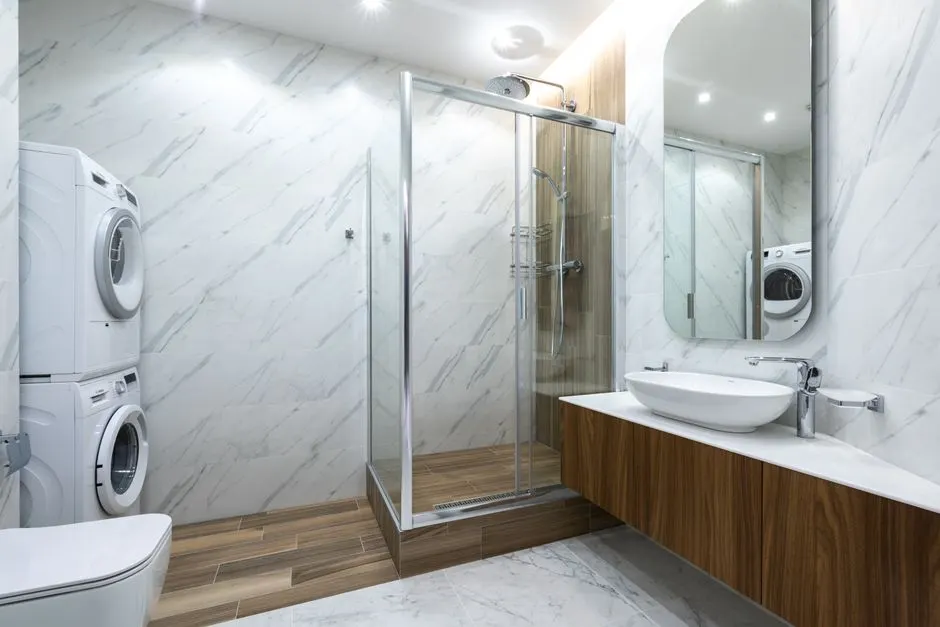
Bell residential calls come from detached houses, apartments, and multi-unit properties where the washer may sit in a garage, kitchen-area closet, or shared laundry room. A failed machine affects the whole household: laundry piles up, a leak threatens nearby flooring, and a locked door can trap clothes inside. We ask how the fault began and whether it occurs at fill, wash, drain, or spin, then check the machine and its visible connections. Washing machine repair in Bell also needs attention to property access; tell us about stairs, gates, parking, or a stacked arrangement before the appointment. We work on Whirlpool, Maytag, LG, Samsung, GE Appliances, and other common brands. After the repair, we test the relevant stage and check for leaks before returning the space to you.
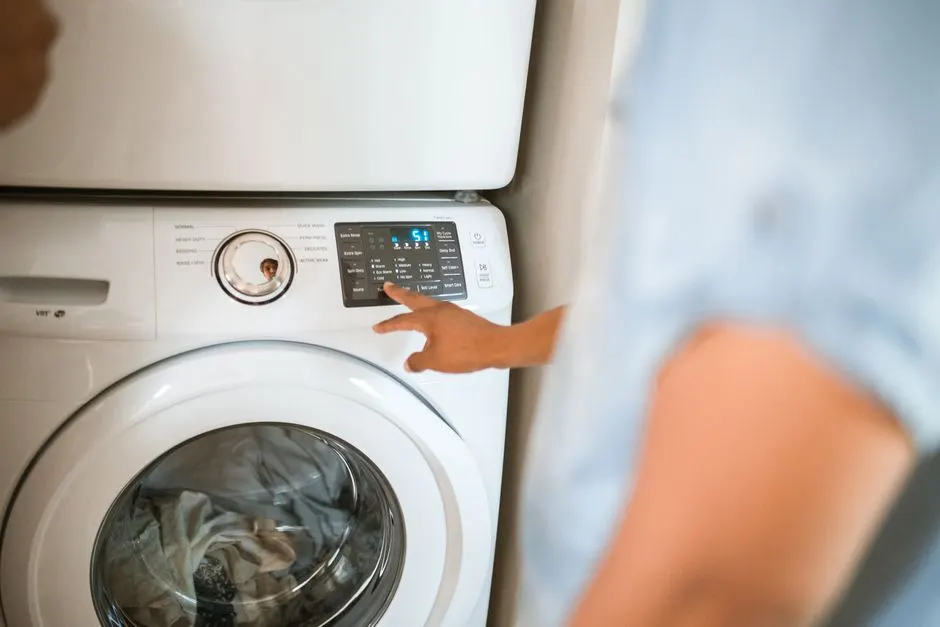
- Household washer diagnostics — We trace the symptom in your Bell home by checking the cycle stage, displayed code, water flow, and machine response. A targeted diagnosis helps separate a drain restriction from a pump or control fault. We explain what we found and test the repaired function before you put the next load in.
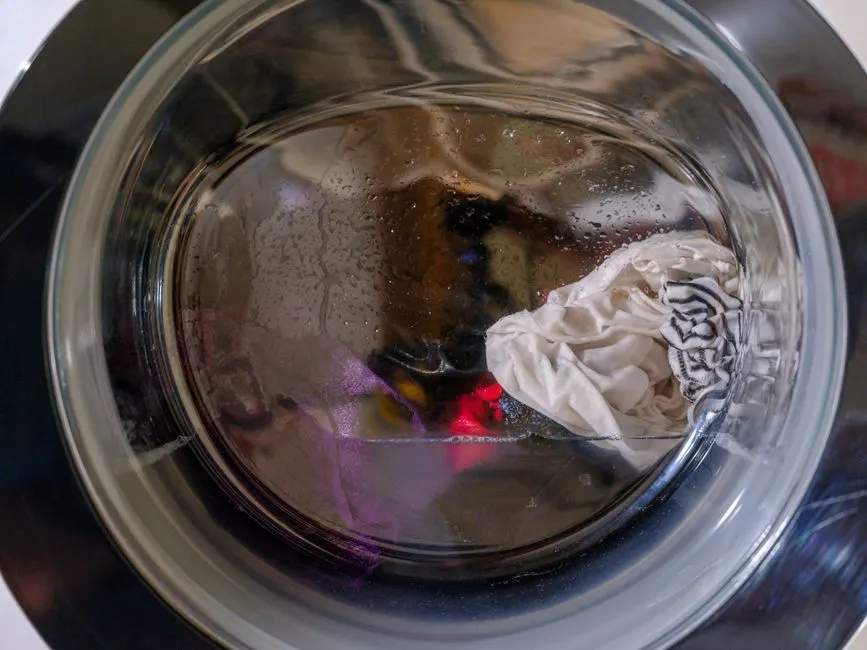
- Front-load seal and drain service — If your front-loader leaves water or develops odor, we inspect the seal, drain route, and pump behavior. In Bell laundry closets, limited ventilation and tight clearance can hide moisture around the door. We identify whether a part has failed, complete the repair, and verify the machine drains without leaking.
- Top-load spin and lid repair — For a top-loader that will not spin or recognize a closed lid, we test the lid switch, cycle response, and mechanical operation. We also check whether the washer is level and stable on the floor. This helps Bell homeowners avoid replacing a working component when the actual cause is balance or installation.
- Washer installation and replacement — We measure access and confirm the water, drain, and electrical arrangement before installing or replacing a washer in Bell. We account for stairs, narrow doors, and stacked layouts, then position the machine, check hose routing, and run a test cycle. You get a working appliance with connections checked before the first regular load.