

Residential Washer Repair for Saratoga Homes
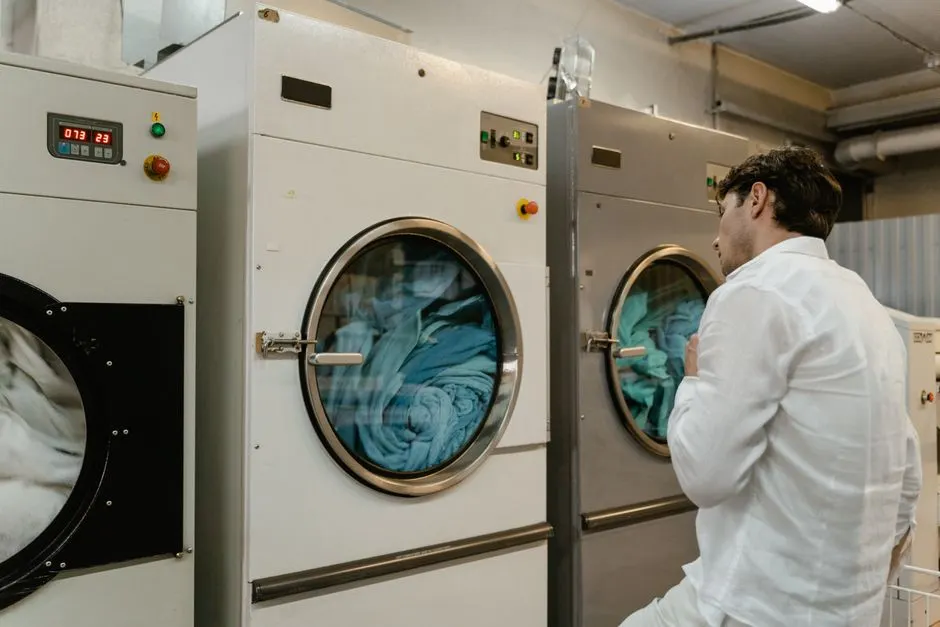
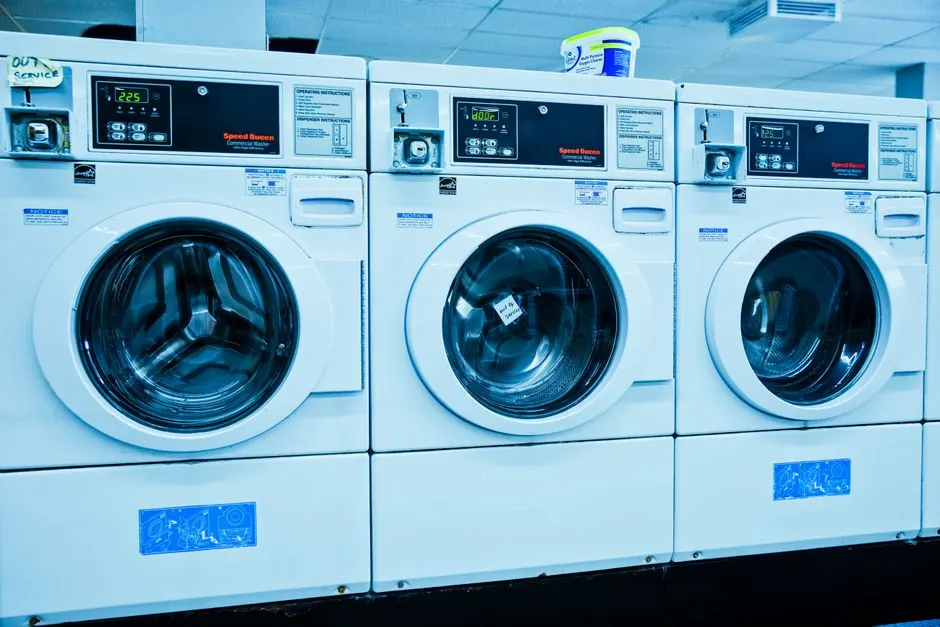
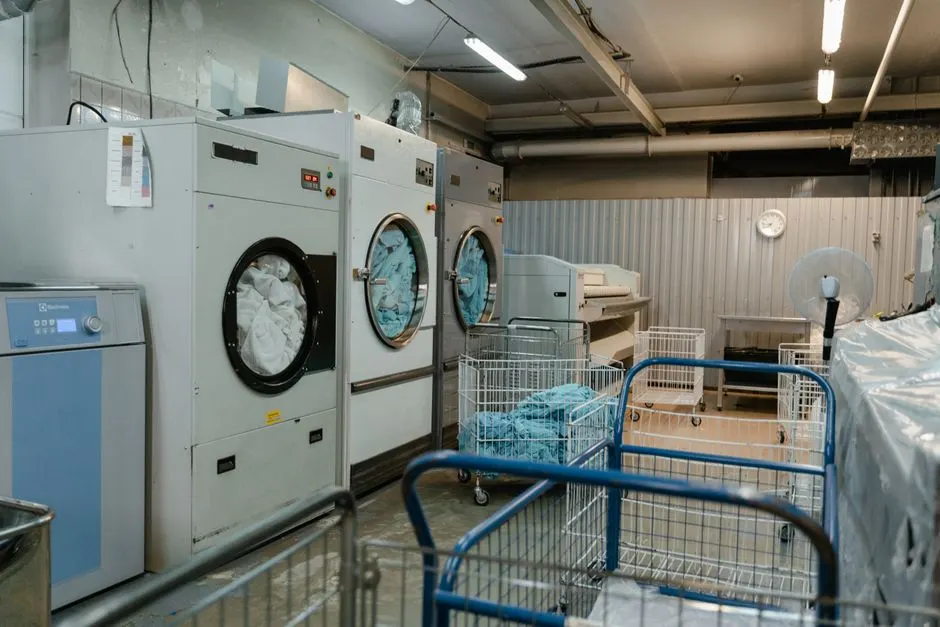
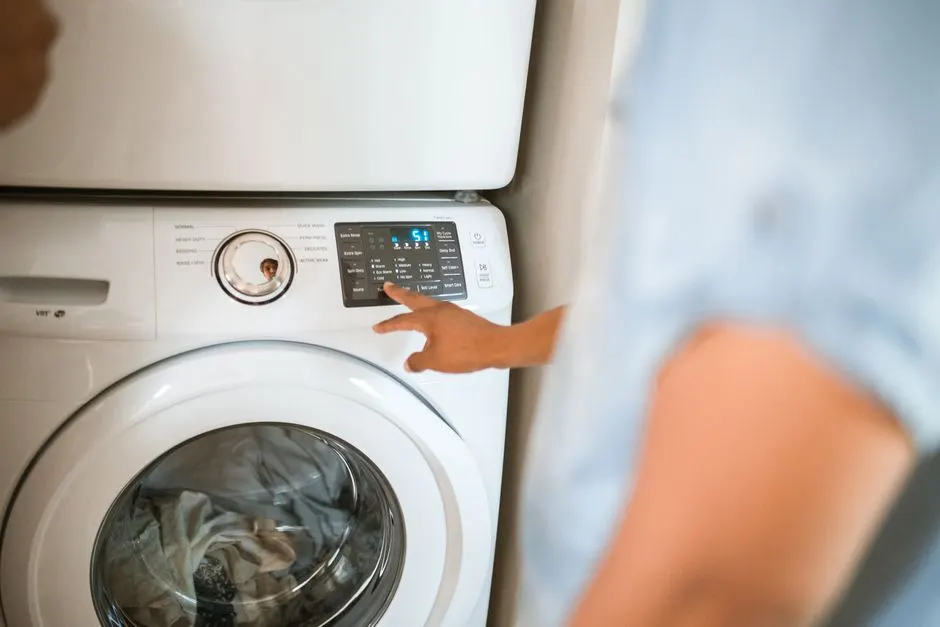
Residential washer service in Saratoga ranges from a family machine that will not finish a school-night load to a front-loader leaking in a renovated laundry closet. The city's housing includes established single-family homes, additions, and remodeled interiors, so appliance access can be as important as the fault itself. We ask whether the washer is in a garage, utility room, or stacked closet and whether the problem appears during fill, wash, or spin. Our front-load washer repair includes checks for door locking, seal leaks, and drainage; top-load service covers lid response, agitation, and vibration. We also handle washer installation and replacement, checking dimensions, hose placement, leveling, and route clearance. After a repair, we test the affected cycle stage and make sure the machine is stable before returning it to your household routine.
- In-home washer diagnostics — We inspect the washer in its Saratoga laundry location and reproduce the reported symptom where safe. We check the controls, water entry, drainage, and mechanical behavior as needed, then explain the fault and the repair path. This is useful when a machine stops intermittently or displays a code.
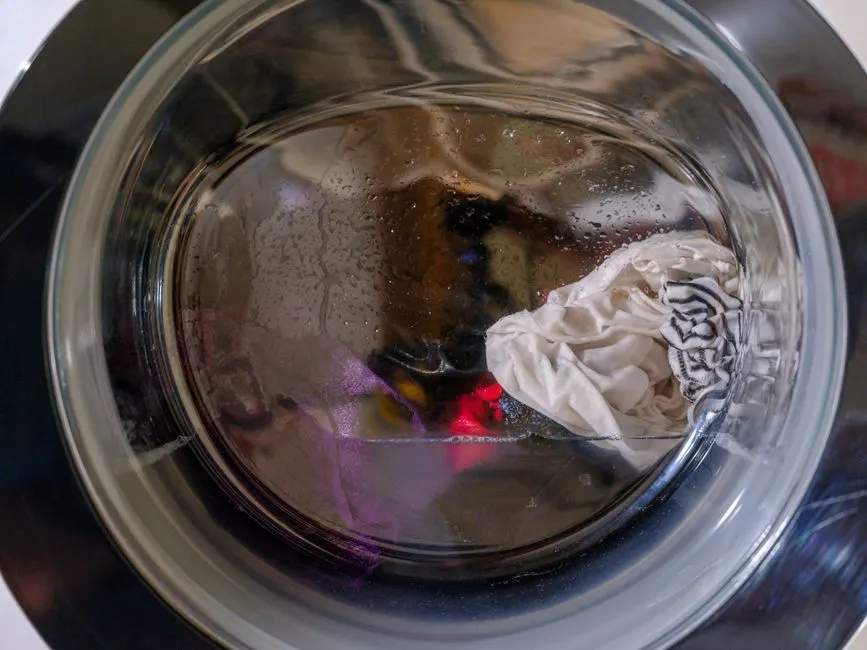
- Front-load seal and drain repairs — For Saratoga front-load machines, we examine the door seal, drain system, and locking behavior when you report odor, standing water, or a leak. We identify whether the issue is residue, a blocked path, or a failed component, then test the door and drain functions after service.
- Top-load spin and lid repairs — We diagnose a top-loader that will not spin, shakes, or refuses to start because the lid does not lock. Our technician checks the lid switch and drive behavior as appropriate, then runs a spin test. We also confirm that the washer sits level in its Saratoga home.
- Washer installation and replacement — When a Saratoga household replaces a washer, we check the appliance dimensions against the doorway, closet, and hookup positions. We connect the water and drain lines, level the unit, and run a fill-and-drain test. Careful setup helps prevent leaks and movement from the first load.